OpenAI Dots vs Meta Muse vs Grok Bot vs Claude Duet
4 always-on AI agents, each with a cloud computer of its own that keeps working after you close the app. What OpenAI's Dots, Meta's Muse, xAI's Grok Bot and Anthropic's Claude Duet cost, who can get them, where you talk to them and how each asks before it acts.
Tecyfy · Published · 7 min read
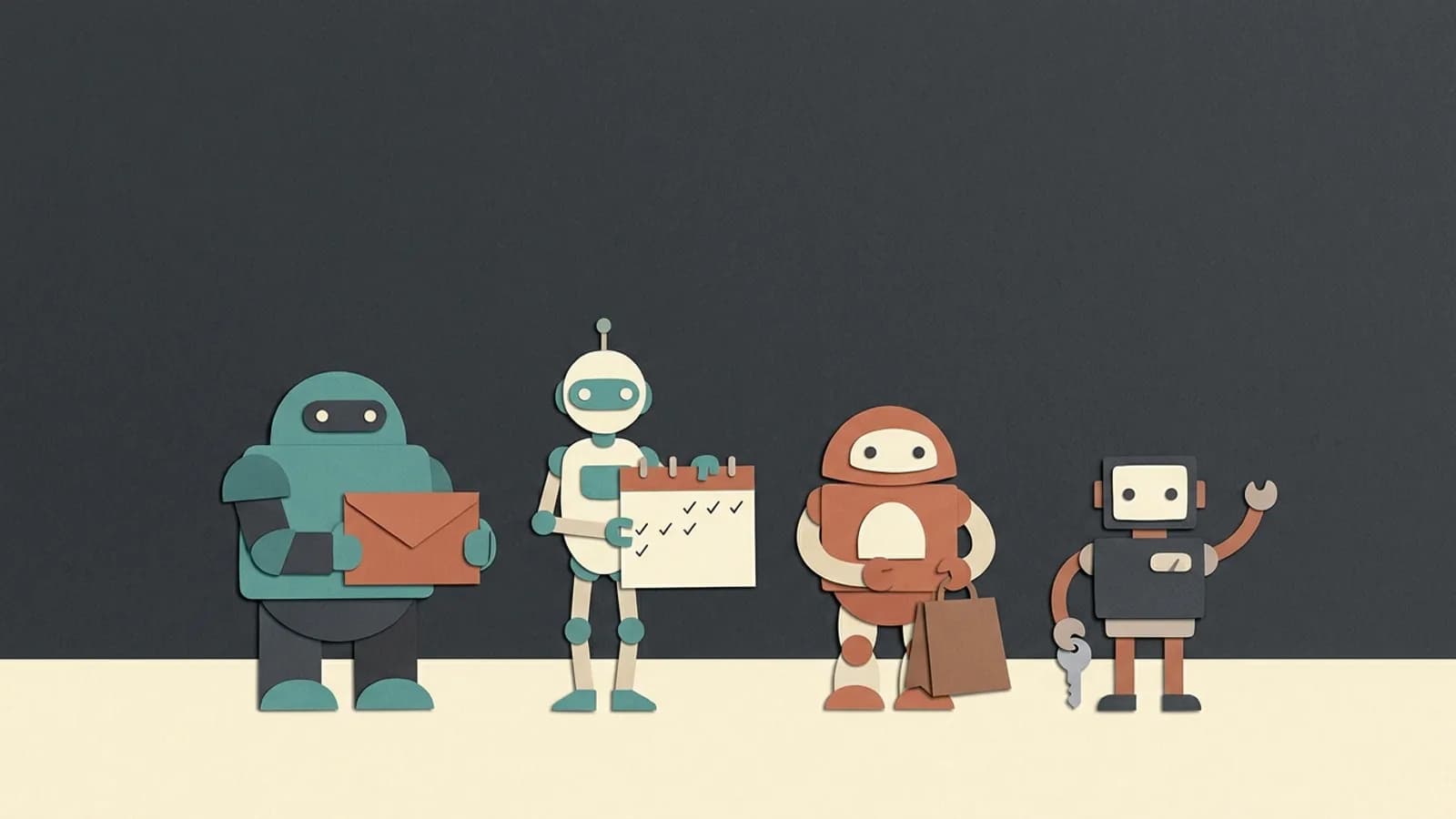
An always-on AI agent is an assistant with a computer of its own in the cloud. It keeps working after you close the app, checks the apps you connect, messages you when something needs you and asks before it sends, pays or deletes. 4 of them arrived within 10 weeks: xAI's Grok Bot on 11 August, Meta's Muse on 8 September, xAI's Grok Bot launched on 11 August, Meta's Muse on 8 September and Anthropic's Claude Duet on 21 October 2026, and OpenAI's Dots are now rolling out. and Anthropic's Claude Duet on 21 October 2026.
The short answer: Muse is the only one you can start free, Dots is the only one confirmed for the UK and EU (on a business plan), Grok Bot is built for running several agents as a team, and Claude Duet is aimed at work, for US Claude subscribers on a waitlist.
What "always on" means
A chatbot answers while you watch. These agents get a virtual machine, a small computer with its own browser, that keeps running after your laptop sleeps. When you hand over a task, the agent opens sites, signs in to your accounts (Dots, Muse and Claude Duet do this through stored credentials the model cannot see), fills in forms and works through the apps you connected, then reports back. In between tasks it looks through your inbox or calendar on its own and comes to you first with what it found.
That last part is what costs. Claude Duet checks your accounts every few hours rather than continuously, because constant checking would use up your plan's limits much faster.
Dots, Muse, Grok Bot and Claude Duet side by side
| OpenAI Dots | Meta Muse | xAI Grok Bot | Claude Duet | |
|---|---|---|---|---|
| Model | GPT-6 Astra | Muse Spark | Not stated | Claude Opus 5.5 |
| Status | Rolling out | Rolling out | Beta | Research preview, waitlist |
| Who gets it | ChatGPT Pro, Business Premium; Enterprise beta | US, rolling out in limited testing | SuperGrok and Cursor Pro or Teams plans | US Claude Pro and Max |
| Price | Included in the plan | Free with a limit; $20 or $100 a month | Included, with its own usage | Included; shares plan limits |
| Where you talk to it | ChatGPT, Slack, Teams | Muse app, WhatsApp | Grok Bot app | Duet app, claude.ai |
| Regions | Pro outside EEA, UK, Switzerland; Business Premium everywhere ChatGPT is | US | Not stated | US |
Prices and plans as of 22 October 2026.
Pick what matters to you and see which fits:
Dots
OpenAI · GPT-6 Astra
ChatGPT Pro, Business Premium; Enterprise beta
- YesMessages me first. Researches in the background, read-only
Muse
Meta · Muse Spark
Free with a limit; $20 or $100 a month
- YesMessages me first. Suggests ideas unprompted
Grok Bot
xAI · Grok
SuperGrok plans, Cursor Pro and Teams plans (beta)
- PartlyMessages me first. Grows more proactive over time
Claude Duet
Anthropic · Claude Opus 5.5
Claude Pro and Max, US, by waitlist
- YesMessages me first. Morning brief, checks every few hours
Dots, Muse and Claude Duet fit best.
From each maker's own pages on 22 October 2026. Plans and regions change quickly, and all 4 are early: a beta, a preview or a gradual rollout.
How each one asks before it acts
All 4 can stop and ask before an action that leaves your account, but each decides differently what needs your approval. The details differ, and they decide how much you can trust each one.
Dots start with built-in rules for what to do alone and what to ask about, and Custom Rules let you allow, require approval for, or block specific actions. A separate check reviews each action that could affect your accounts or share information. Changing a password always stays with you. When a dot looks for ways to help in the background, its tools are read-only, so it cannot send or change anything unasked.
Muse puts a second agent, the Sentinel, on the same machine. Nothing Muse sends to the internet goes out unless the Sentinel approves it. You choose per app whether Muse can only read your email or also send it, and you get a full record of what it did and plans to do.
Grok Bot finishes jobs end to end and comes back only when something needs approval. You can show a Bot how you do a task once and it saves the steps as a routine to run alone next time.
Claude Duet shows you exactly what it is about to do before it sends a message, makes a payment, signs a document or deletes anything. Some actions are refused even with your approval: trading securities and moving money between accounts. A separate check is designed to reject requests to share card numbers or government ID.
For buying things, Muse and Claude Duet pay through Link by Stripe with a one-time (Muse) or virtual (Claude Duet) card, so your real card number stays hidden.
The risk they all share
An agent that reads your inbox reads text written by strangers. A message can carry hidden instructions aimed at the agent rather than at you, and an agent with your email, calendar and payment apps is a bigger prize than a chatbot. OpenAI, Meta and Anthropic describe defences against this, and none of them claims it is solved. Our prompt injection examples show what these attacks look like, and how to stop an AI agent from deleting things without asking covers approval rules that live in code rather than in a prompt.
Access also outlasts the connection. When you disconnect an app from a dot, what the dot already learned from it stays until you delete the dot. Assume the same of any agent that keeps memories.
Which one to try
- You want to try one for nothing: Muse, if you are in the US.
- You are in the UK or EU: Dots, through ChatGPT Business Premium or an Enterprise workspace. Muse and Claude Duet are US only for now; xAI does not say where Grok Bot is available.
- You want several agents splitting a job: Grok Bot, which runs Bots in parallel with one coordinating the rest.
- You already pay for ChatGPT Pro, SuperGrok, Cursor or Claude: start with the agent your plan includes before paying for another.
- You run a small business on Gmail, Slack and Stripe: Claude Duet is designed around that kind of work, once you are off the waitlist.
Whichever you choose, connect one app first, with read-only access if it offers it, and give the agent a week of small jobs before you let it send anything in your name.
Questions
- What is an always-on AI agent?
- An AI assistant with a computer of its own in the cloud, usually with a browser, that keeps working after you close the app. It connects to apps you choose, such as email and calendar, checks them in the background, messages you when something needs you, and asks before actions such as sending a message or paying. OpenAI's Dots, Meta's Muse, xAI's Grok Bot and Anthropic's Claude Duet all work this way.
- Which always-on agent is free?
- Meta's Muse, which is free with a usage limit in the US, with paid plans at $20 and $100 a month. OpenAI's Dots come with ChatGPT Pro or Business Premium, Grok Bot with SuperGrok and Cursor Pro or Teams plans, and Claude Duet with Claude Pro or Max, in each case at no extra cost on those plans (22 October 2026).
- Can I use OpenAI Dots in the UK or EU?
- Not on ChatGPT Pro: at launch Dots for Pro excluded the European Economic Area, Switzerland and the UK. Business Premium users get Dots in supported ChatGPT regions, subject to workspace eligibility, and Enterprise, Edu and Healthcare workspaces can turn on the beta. Meta's Muse and Claude Duet started in the US only.
- What is Claude Duet?
- Anthropic's always-on agent, opened as a research preview on 21 October 2026 for US Claude Pro and Max subscribers through a waitlist. It runs on Claude Opus 5.5 in its own app on iOS, Android and claude.ai, sends a morning brief, checks connected apps every few hours, and shows you the exact action before it sends, pays, signs or deletes anything. It shares your plan's usage limits.
- Is it safe to give an AI agent access to my email?
- Safer than it was, not safe by default. Dots, Muse and Claude Duet keep your passwords out of the model's view, and all 4 can ask before they send or pay, but an agent that reads your inbox also reads text written by strangers, which can carry hidden instructions. Connect only the apps a task needs, give read-only access where you can, and read each approval before you press yes.