GenAI
How large language models, agents and AI tools work, and the news that changes how you use them.
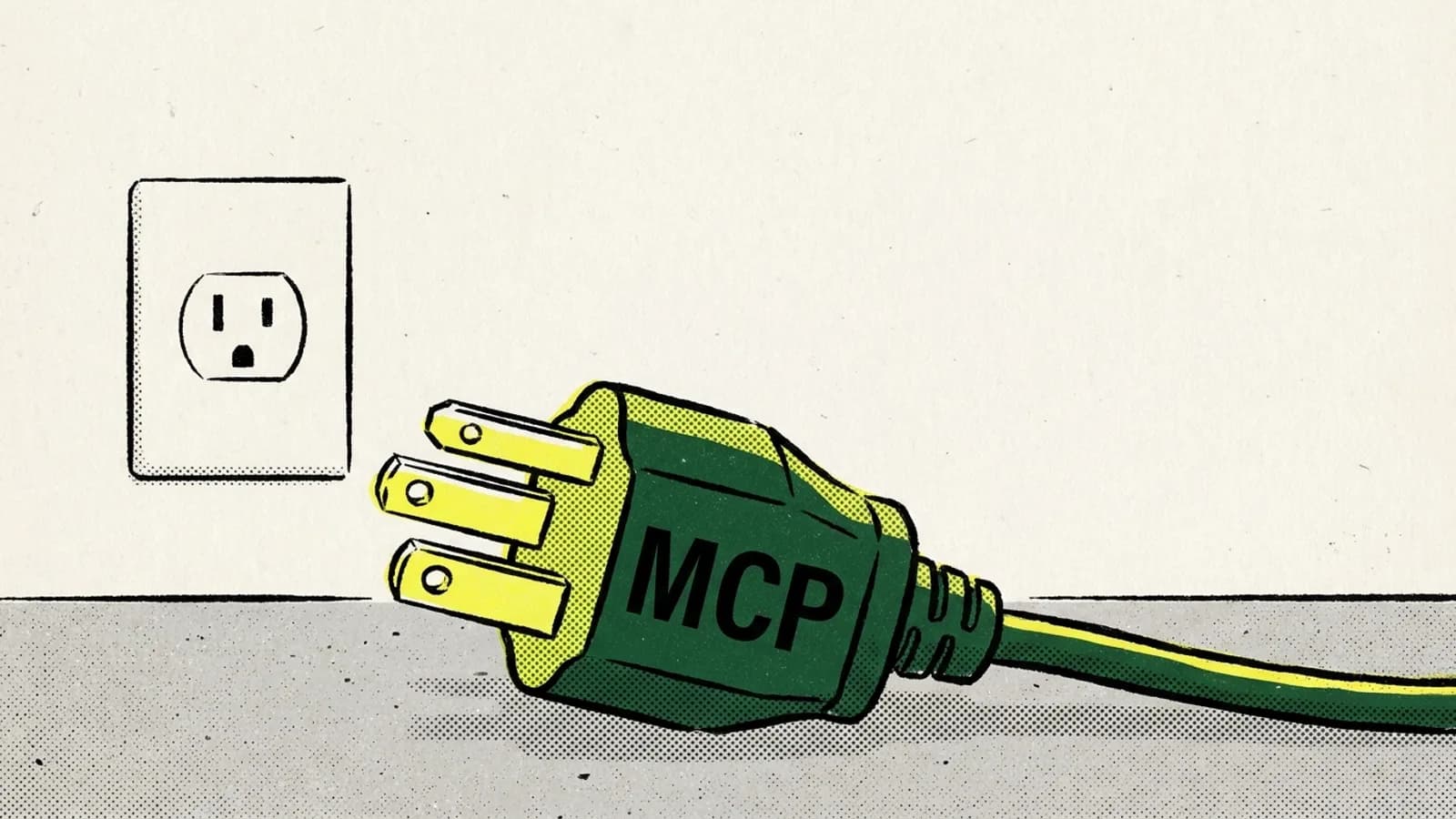 GenAIMCP server not showing up in Claude, Cursor or VS Code: how to fixAn MCP server that does not show up has almost always failed to start, and the client has written the reason to a log you have not opened yet. Where Claude Desktop, Claude Code, Cursor and VS Code keep their config and their logs, the 6 mistakes behind most failures, and a checker for your own config.11 November 2026 · 8 min read
 GenAIHow to hand a task from Claude Code to Codex without starting overWhen Claude Code hits its limit halfway through a task, Codex can carry on from the same point if 3 things are in the repository: shared rules in AGENTS.md, the work committed to git, and a short HANDOFF.md that says where the task stands. Here is what goes in each, the prompts for both agents, and how to switch back.9 November 2026 · 8 min read
 GenAIDo ChatGPT, Claude and Gemini watermark your text?Yes. Claude marks text worldwide, the Gemini app has marked it since 2024, ChatGPT and Codex are getting it in the EU, and the Grok API from 7 November 2026. The mark is in the choice of words, you can't check for it yourself, and a match proves much less than most people think.6 November 2026 · 10 min read
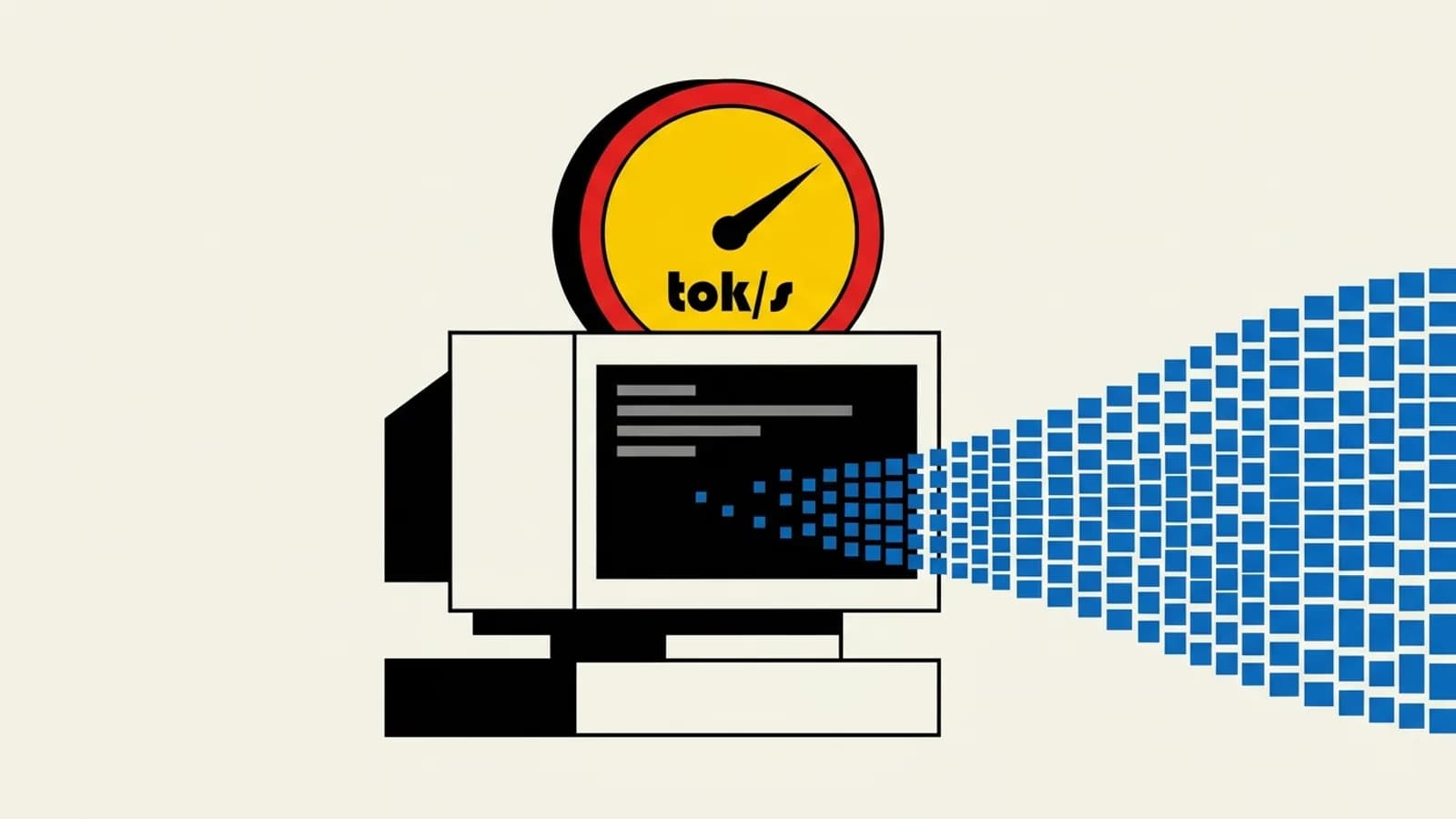 GenAIHow to see tokens per second in Claude Code and CodexNeither Claude Code nor Codex shows its speed, but both log what you need to work it out: the output tokens of each reply and when it started and finished. How the speed is measured, what 30 days of our own sessions ran at, why short replies look slow, and 3 ways to see tokens per second while you work.2 November 2026 · 6 min read
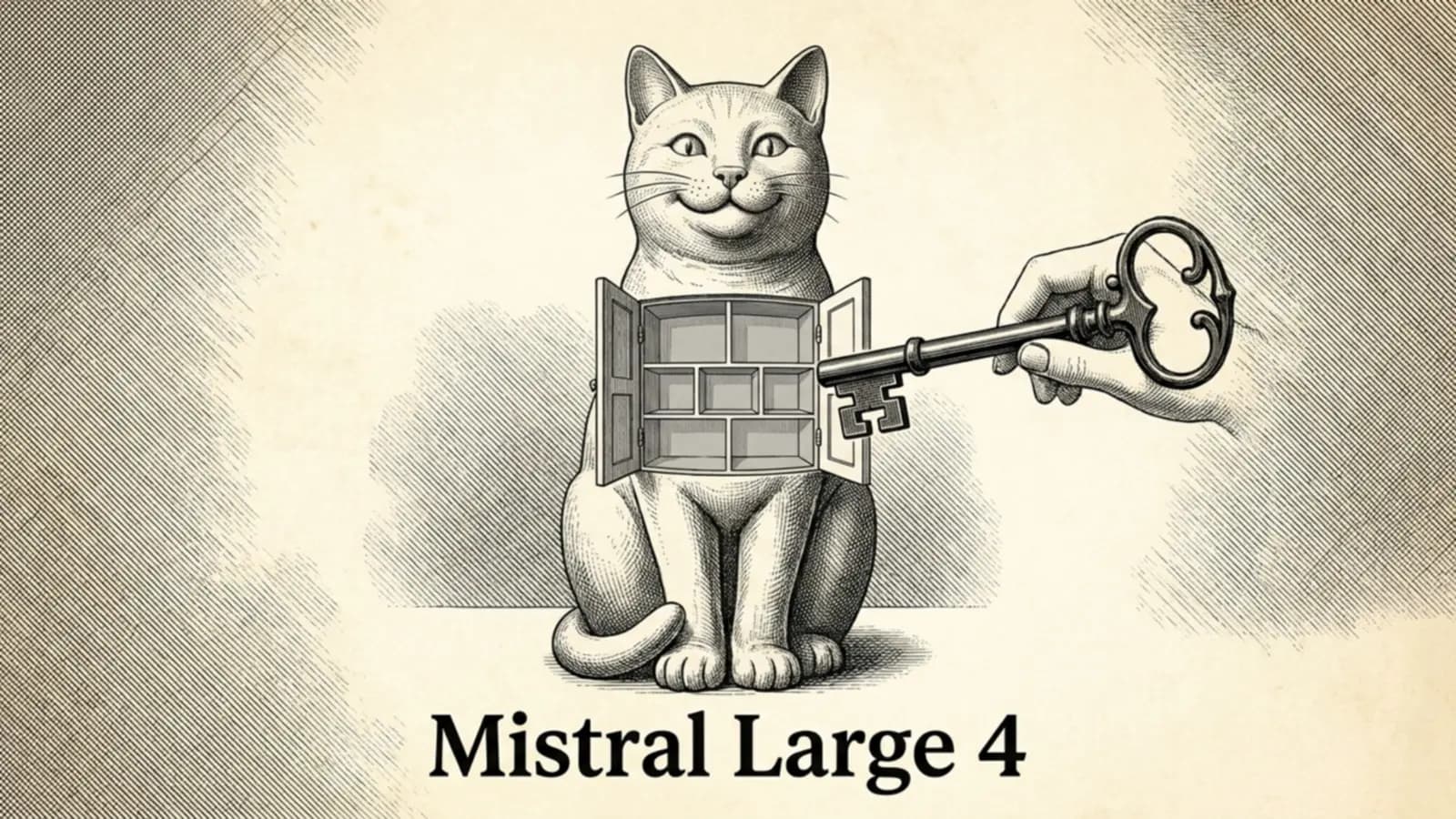 GenAIMistral Large 4: open weights, price, licence and benchmarksMistral released the weights of Mistral Large 4, nicknamed Le Chonk, on 29 October 2026: a 1-trillion-parameter mixture-of-experts model with 52 billion active, a 1M-token context and 3 reasoning modes, at $0.70 input and $2.10 output per million tokens on Mistral's API. What the licence lets you do, what its benchmarks claim, and what running it yourself takes.1 November 2026 · 7 min read
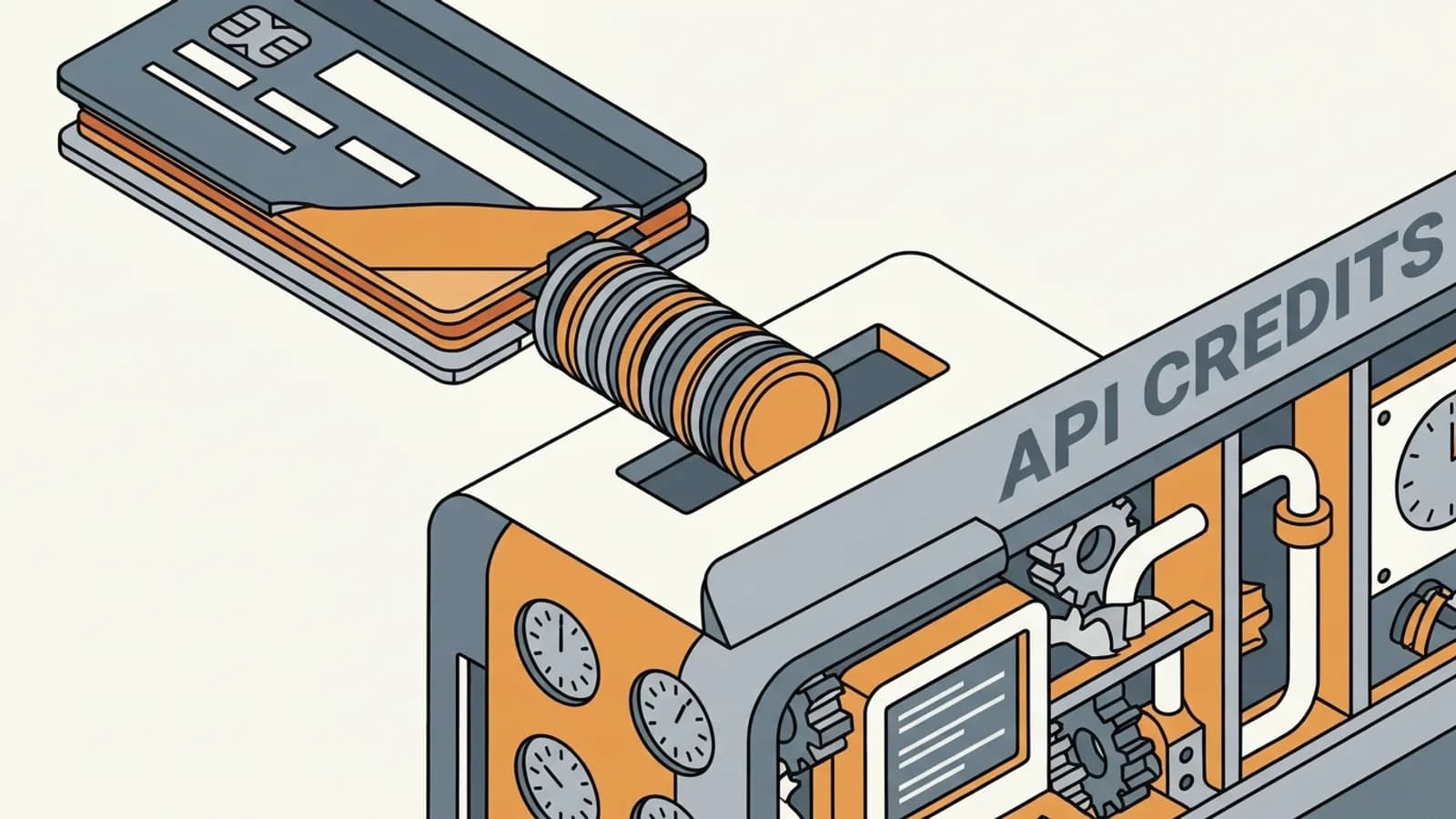 GenAIDoes ChatGPT Pro include API credits? How to claim themYes, since 28 October 2026: ChatGPT Pro comes with $100, $200 or $500 a month in OpenAI API credits, matching its price, and ChatGPT Business with $20 or $100 a paid seat, capped at $500 a workspace. Who qualifies, the 2 ways to claim them, what they pay for, what they don't, and what happens when they run out.1 November 2026 · 6 min read
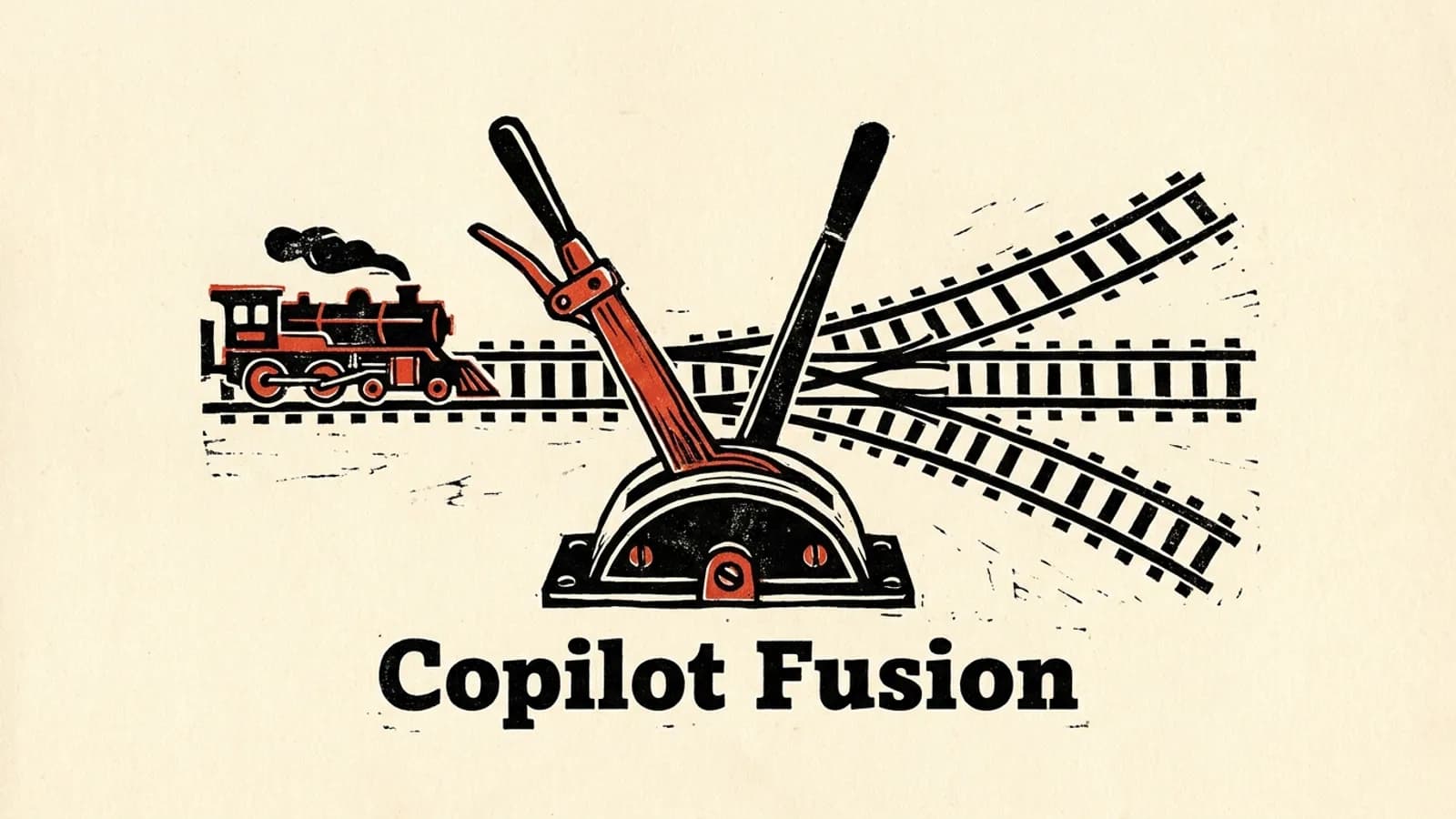 GenAIGitHub Copilot Fusion: how it picks models and what it costsCopilot Fusion, generally available since 28 October 2026, is an entry in Copilot's model picker that chooses the models for each prompt and sometimes has one model check another. How its 3 patterns work, what Standard, High and Max change, which plans get which level, how it is billed, and when to pick a model yourself.31 October 2026 · 7 min read
 GenAIAGENTS.md vs CLAUDE.md: one instructions file for every coding agentAGENTS.md is the open instructions file that Codex, Cursor, GitHub Copilot, Gemini CLI and Claude Code can all read. CLAUDE.md is Claude Code's own file. Which agent reads which file, the setup that keeps one source of truth, the traps when both files exist, and where Agent Skills fit now that Anthropic has given them to the same foundation as AGENTS.md.31 October 2026 · 8 min read
 GenAIBest LLM for coding in 2026: scores and price per taskClaude Opus 5.5 and GPT-6 Astra lead the coding benchmarks of late 2026, with Claude Sonnet 5.5 close behind, but the price of a task differs tenfold between them. The effort setting moves cost and score as much as the model does. The scores from 3 independent coding benchmarks, the cost of a task on each model, and how to test them on your own repository.31 October 2026 · 9 min read
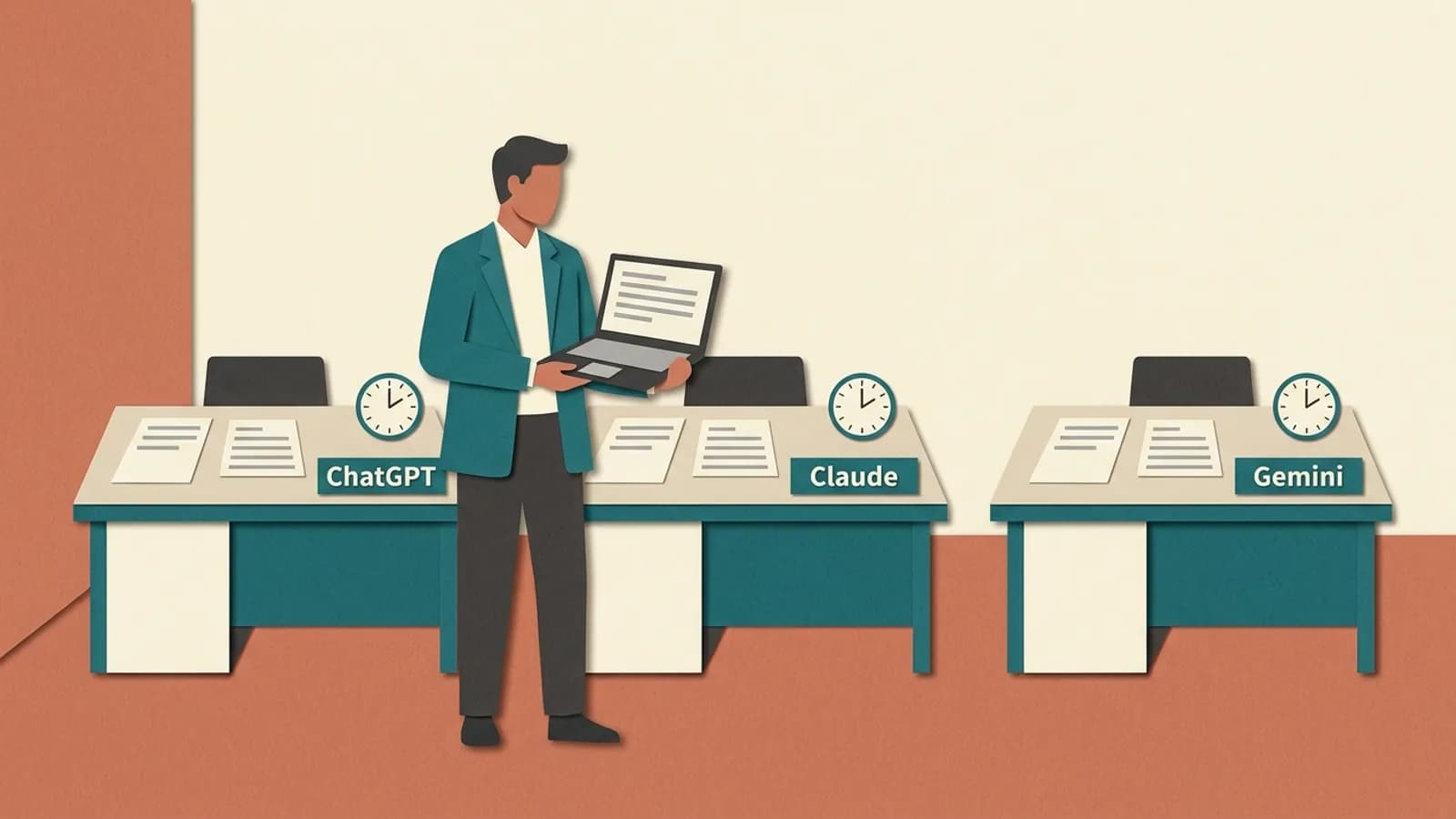 GenAIChatGPT vs Claude vs Gemini for work: which to useChatGPT, Claude and Gemini all cost about $20 a month, and their top models score level on Epoch AI's capability index. What separates them at work is what the $20 buys, whether your chats train their models, and which office suite each one lives in. The 3 compared on those, with a week-long test to settle it on your own work.31 October 2026 · 9 min read
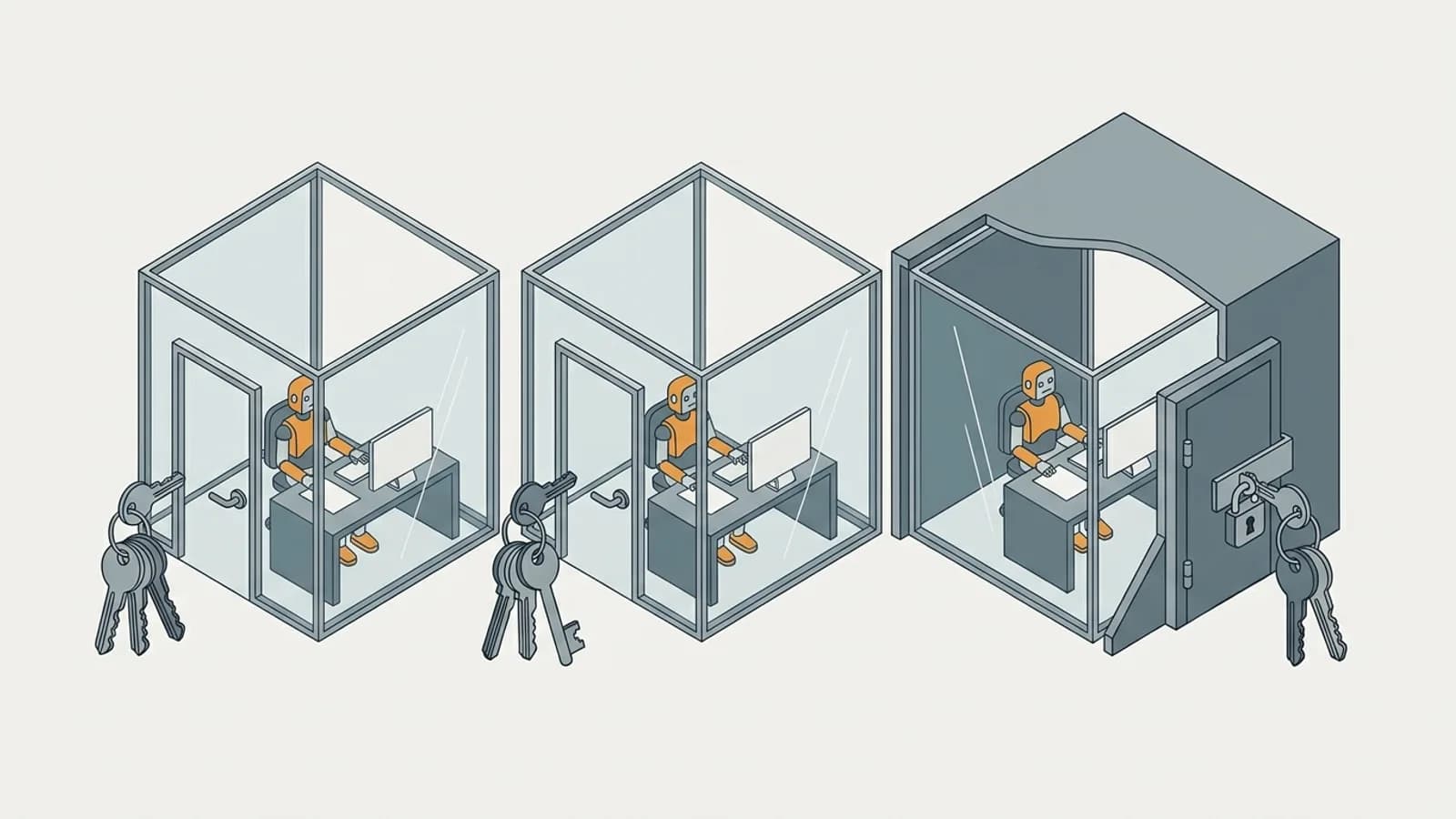 GenAIClaude Managed Agents vs OpenAI Agents API vs AgentCore3 ways to have someone else run your AI agent's loop and sandbox: Anthropic's Claude Managed Agents, OpenAI's Agents API and AWS's AgentCore harness. They differ less in features than in 4 things: which models you can use, what an idle hour costs, where the session's data is kept, and how hard it is to leave. The same small job on each, the runtime bill worked out, and which to pick.31 October 2026 · 10 min read
 GenAIAgentCore Gateway: one endpoint for tools, agents and modelsAmazon Bedrock AgentCore Gateway puts an agent's tools, the other agents it calls and the models it uses behind one authenticated endpoint. It turns APIs and Lambda functions into one MCP server, proxies A2A agents, and routes model calls by the model name, with fallback to another provider since 22 October 2026. How each part works, the routing trap to avoid, rate limits, and what it costs.31 October 2026 · 9 min read
 GenAIHow much does AI cost? A chat, an API call and an agentAI costs $0 to $20 a month for most people in a chat app, $100 to $500 for the heaviest plans, and per token through an API: one question costs from about $0.0004 on the small models to $0.035 on the largest. An agent costs many calls a task, from a few cents to a few dollars. The three bills side by side, worked out, and which one stays predictable.31 October 2026 · 7 min read
 GenAIGemini deprecations: 2.5, 3.5 Flash and 3.7 Flash datesGoogle deprecated Gemini 3.5 Flash and 3.7 Flash on 8 October 2026 and now sends their requests to 3.6 Flash and 3.8 Flash. Gemini 2.5 is not deprecated but is closed to new users. What each model string does today, the shutdown dates still ahead, and how to move without surprises in your bill or your output.30 October 2026 · 7 min read
 GenAIClaude computer use and browser use: the GA toolsetsClaude's computer use tool left beta in August 2026 as computer_toolset_20260801, and a browser use tool, browser_toolset_20260801, arrived beside it. Which one to pick, how the agent loop and batch actions work, what moving off computer_20251124 takes, what a task costs and how to keep a page from steering the agent.30 October 2026 · 10 min read
 GenAIClaude on Google Cloud: Vertex AI or Anthropic managed?Since 22 October 2026 there are 2 ways to run Claude from a Google Cloud project: Google managed, the Vertex AI route in Agent Platform, and Anthropic managed, the Claude API itself behind Google IAM and Marketplace billing. Both bill to Google Cloud at the same token prices. They differ in which features you get, where requests can run and who sets your rate limits.30 October 2026 · 9 min read
 GenAIS3 Vectors vs OpenSearch: cheaper vector search on AWS, and where the bill turnsAmazon S3 Vectors stores and queries embeddings with no cluster to run, for a few dollars a month at RAG scale. But every query is billed on the size of the whole index it searches, so traffic, not storage, decides when OpenSearch is the cheaper and better choice. The pricing, the limits and the ways to use both.30 October 2026 · 9 min read
 GenAIHuman in the loop for AI agents: pause, approve and resume in LangGraph, OpenAI Agents SDK, Claude Agent SDK and BedrockAn approval step is only as good as the pause behind it. How each of the 4 main agent frameworks stops a tool call, keeps the run while a person decides, and picks it up again: how long it can wait, what the reviewer can change, and where it breaks.30 October 2026 · 9 min read
 GenAIMCP servers for Databricks, Snowflake, BigQuery and FabricAll 4 data platforms now host their own MCP servers, so Claude, ChatGPT, Cursor or your own agent can query them without a server of yours. They split into 2 kinds: servers that answer a question through the platform's semantic layer, and servers that hand your agent a SQL tool. Which server each platform offers, how to connect it, whose permissions it runs with, and the limits to know.30 October 2026 · 9 min read
 GenAIClaude Code workflows: run many subagents from a scriptA Claude Code dynamic workflow is a JavaScript script Claude writes that runs dozens to hundreds of subagents in the background, 16 at a time by default and up to 1,000 a run. How to start one with /deep-research or the ultracode keyword, what the script looks like, what a relaunch runs again, and how to keep the token bill in check.29 October 2026 · 8 min read
 GenAIOpenAI Decisions API: fast yes/no answers and scoresOpenAI's Decisions API answers questions about text, images and JSON with a probability, one of your choices or a score on your rubric, about 10 times faster than the Responses API and with no charge for output. How it works, what it costs, and how to pick the threshold you act on.29 October 2026 · 8 min read
 GenAIOpenAI Agents API: what replaced the Assistants APIThe Assistants API shut down on 26 August 2026. OpenAI's own guide sends you to the Responses API, but the Agents API, in beta since 10 September, is the one that still runs the loop and keeps the state for you. What each part of an Assistants app becomes, a first session in Python, what it costs and where it stops.29 October 2026 · 9 min read
 GenAIClaude Managed Agents: how hosted agents work and costClaude Managed Agents runs the agent loop and a sandbox for you: you define an agent once, start a session per task and stream its events. How the 4 parts fit, a first session in Python, what $0.08 a session-hour really adds to the bill, and the defaults to change before you ship.28 October 2026 · 9 min read
 GenAIGemini 4 Argon vs Claude Opus 5.5 vs GPT-6 Astra: price, limits and which to pickGemini 4 Argon, Claude Opus 5.5 and GPT-6 Astra score within each other's range of doubt on Epoch AI's capability index, so the choice comes down to price and limits. Argon is half price until 30 November 2026 and then costs exactly what Opus 5.5 costs; Astra costs 2.5 times as much. Specs side by side, a month of the same job on each, and what breaks when you switch.28 October 2026 · 8 min read
 GenAIGemini 4 Carbon: release date, price, benchmarks and how it differs from ArgonGoogle announced Gemini 4 Carbon on 28 October 2026, but at first only a subset of cyber defenders can use it. Developers get it later, on no date yet, at Argon's launch price of $2 in and $10 out per million tokens. What Google says Carbon does better than Argon, what it has not said, and what to build on until it reaches the API.28 October 2026 · 6 min read
 GenAIGPT-6 Astra vs Sol vs Luna: which to use, and what it costsGPT-6 Astra costs 5 times as much as GPT-6.1 Sol and 100 times as much as GPT-6 Luna, yet Astra and 6.1 Sol score within each other's range of doubt on Epoch AI's index. What each tier is for, the 272K-token price step, the differences that break a model swap, a worked month on each, and why GPT-6 Sol users should move to 6.1 Sol.28 October 2026 · 7 min read
 GenAIFine-tune an LLM with LoRA on one GPU: what fits, and the stepsOn one 24 GB GPU you can fine-tune an 8B model with LoRA at 16 bits, or a 32B model with QLoRA at 4 bits, where full fine-tuning of the 8B alone would need about 147 GB. The memory sum for each model and method, a complete QLoRA script with Hugging Face TRL, and how to test and serve the adapter.27 October 2026 · 8 min read
 GenAIStructured outputs vs JSON mode: one schema on OpenAI, Claude and GeminiJSON mode promises JSON that parses; structured outputs promise JSON that fits your schema. OpenAI, Claude and Gemini all offer the second now, but each accepts a different part of JSON Schema: optional fields, number limits, string lengths and recursion work on one and fail, or are silently dropped, on another. The same extraction written for all 3, and a schema that works on every one.27 October 2026 · 8 min read
 GenAIModel routing: send each request to the cheapest model that can do itA cascade asks a small model first and passes the request to a large one only when the answer is unsure or risky. The code for a Claude Haiku to Sonnet cascade, what it costs at each escalation rate, the break-even rule that decides whether a cascade pays, how to test it against all-large, and when Bedrock's or Azure's managed routers fit instead.27 October 2026 · 8 min read
 GenAIOWASP Top 10 for LLM applications, with a fix for eachThe OWASP Top 10 for LLM Applications lists the 10 most important security risks in apps built on language models, from prompt injection (LLM01) to unbounded consumption (LLM10). What each risk looks like in a real app, the first fix to make for each, and how to tell which ones apply to yours.27 October 2026 · 9 min read
 GenAILoRA rank and alpha explained: what r and lora_alpha do, and what to setIn LoRA, the rank r sets how many weights the adapter trains, and lora_alpha sets how strongly its update is added: PEFT multiplies the adapter's output by lora_alpha / r, or lora_alpha / √r with rsLoRA. What each does, the trainable weights on an 8B model, and settings to start from.27 October 2026 · 7 min read
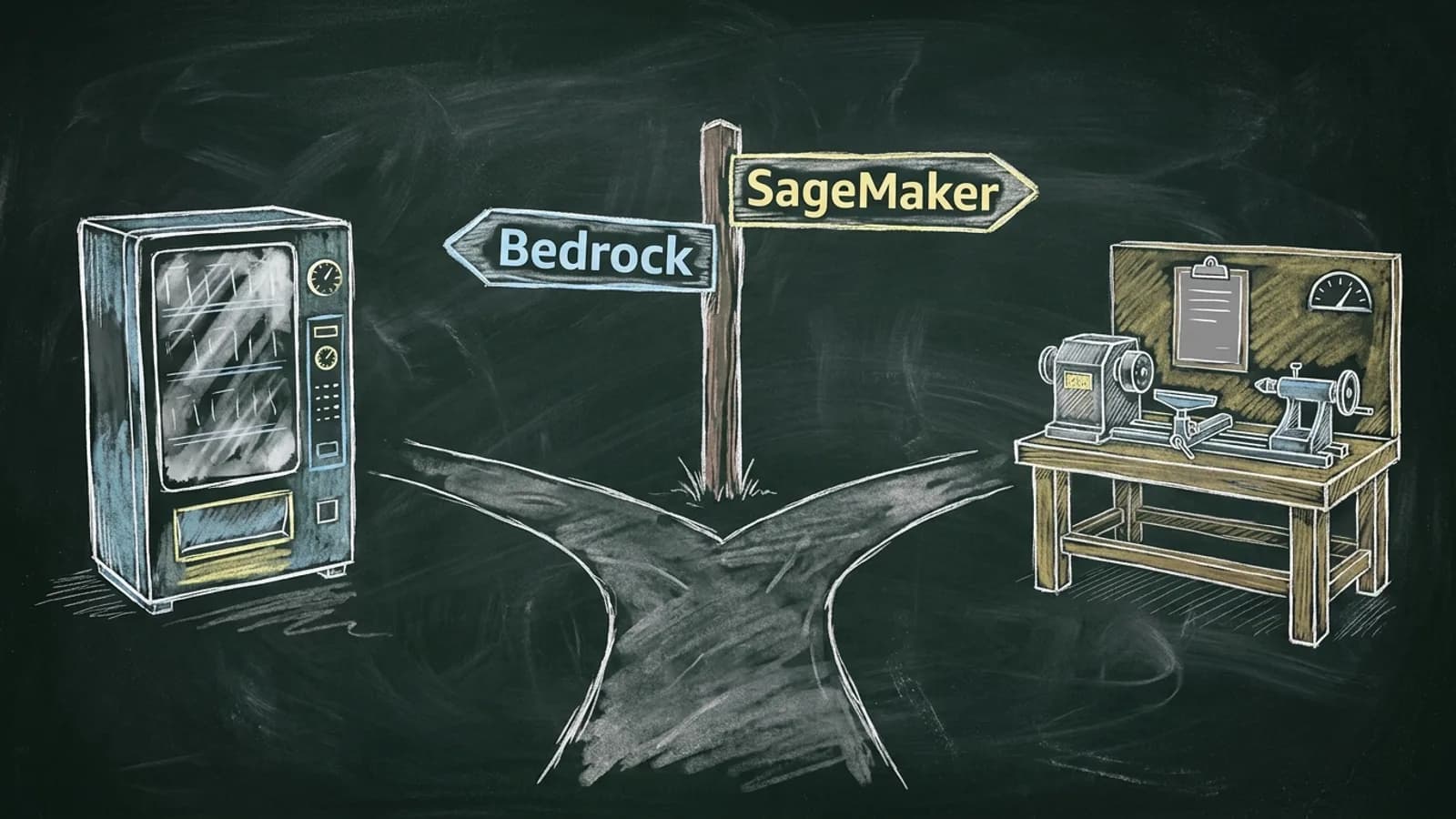 GenAIAmazon Bedrock vs SageMaker AI: which one you needBedrock rents ready-made models by the token; SageMaker AI rents the machines to train and host your own by the hour. Which to choose for calling Claude, serving an open model, fine-tuning and classic machine learning, where AgentCore fits, and the traffic at which an endpoint becomes cheaper than paying per token.27 October 2026 · 7 min read
 GenAIWhen an AI model is retired: a migration checklistAnthropic, OpenAI, Amazon Bedrock and Azure all retire old models, and on retirement day requests to them fail. How much notice Anthropic, OpenAI, Amazon Bedrock and Azure give, how to find every caller, and the 7 steps that turn each forced move into a small, tested change.27 October 2026 · 8 min read
 GenAIAmazon Bedrock Guardrails: PII masking, grounding checks and pricingBedrock Guardrails check what goes into a model and what comes out: harmful content, prompt attacks, denied topics, personal data and answers not backed by your sources. Which policy does what, the gaps to know (tool calls are not checked for PII), the Standard and Classic tiers, and what each check costs per 1,000 characters.27 October 2026 · 8 min read
 GenAIAmazon Bedrock Knowledge Bases: how they work and what they costA Bedrock knowledge base is AWS's managed RAG: it reads your documents from S3, SharePoint or Confluence, splits and embeds them, stores the index and answers Retrieve calls. Managed or customer-managed, what each of the 4 query APIs does, how metadata filters work, and a worked monthly bill.26 October 2026 · 8 min read
 GenAIContext engineering: what goes into the window, and in what orderContext engineering is choosing which tokens a model sees at each step: instructions, tools, documents, history and tool results, in an order that suits both the model and the cache. The layout that works, the 4 moves that keep an agent's context small, and a 40-turn run where they cut the tokens sent from 6.7 million to under 0.7 million.26 October 2026 · 8 min read
 GenAIAmazon Bedrock pricing: tokens, tiers, caching and batchAmazon Bedrock bills each model by the token, at a price that depends on the inference profile (Global or Geo), the service tier (Standard, Flex, Priority or Reserved) and how much of the prompt comes from the cache. How each meter works, a worked month for a support assistant, and which discounts the newest Claude models can and cannot use.26 October 2026 · 8 min read
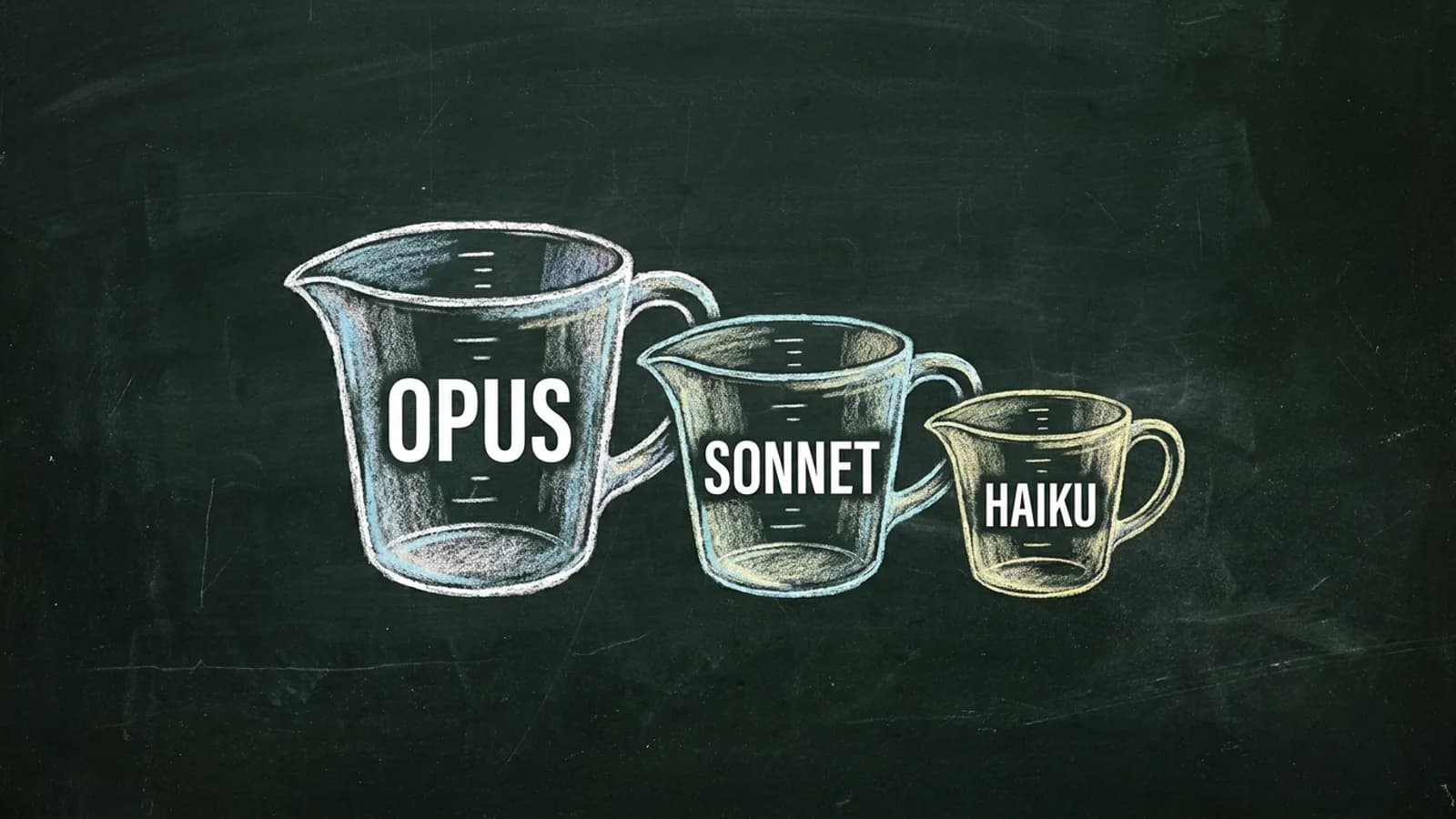 GenAIClaude Opus 5.5 vs Sonnet 5.5 vs Haiku 5.5: which to useOpus 5.5 costs twice as much as Sonnet 5.5 and 40 times as much as Haiku 5.5, yet on Epoch AI's index Opus and Sonnet score within each other's range of doubt. What each model is for, the differences in thinking and limits that matter in code, a worked month for each, and how to route work so most tokens go to the cheapest model that passes.26 October 2026 · 8 min read
 GenAIAzure OpenAI vs OpenAI API: the same models, different contractsAzure OpenAI and the OpenAI API run the same GPT models and, with the v1 API, take almost the same code: the address, the key and the model name change. What differs is who processes your data, where, and under which agreement; how capacity is bought; and how fast new models arrive. Side-by-side code, the data rules from each side's own pages, and which to pick.26 October 2026 · 8 min read
 GenAIWhat is Microsoft Foundry? Azure AI Foundry's new name, and what changed with itMicrosoft Foundry is the new name for Azure AI Foundry, which was once Azure AI Studio: one Azure resource where you deploy models from OpenAI, Anthropic, Meta, Microsoft and others, build agents and govern both. The rename came with real changes: the Responses API replaces Assistants, a v1 API replaces monthly versions, and a single resource replaces hubs. Old name beside new, and what to move first.26 October 2026 · 8 min read
 GenAIClaude on Amazon Bedrock or the Claude API: which to use, situation by situationThe same Claude models answer on Amazon Bedrock and on Anthropic's own API, at the same token prices on Bedrock's global endpoint. What differs is everything around the model: AWS billing, IAM and CloudTrail on one side; server tools, the Files and Batches APIs and same-day features on the other. 6 situations and the answer for each, plus the third option, Claude Platform on AWS.26 October 2026 · 8 min read
 GenAIAmazon Bedrock AgentCore explained: the services, the prices and the memory billAmazon Bedrock AgentCore runs AI agents built with any framework and any model: Runtime hosts them in a microVM per session, Memory keeps their context, Gateway turns APIs into tools, and Identity, Policy and Observability govern them. What each service does, what it costs, and how October 2026's new memory pricing works, with the 12 KB minimum billed for every event.25 October 2026 · 9 min read
 GenAIDeepSeek API pricing: V4 Pro, V4.1 Flash, cache hits and off-peak hoursDeepSeek V4.1 Flash costs $0.30 per million input tokens and $1.20 per million output at peak; V4 Pro costs $1.32 and $3.96. 2 discounts change the bill without changing the model: cache hits, at 2% to 3% of the input price, and off-peak hours, at half price. 3 worked monthly bills, and what each lever saves.25 October 2026 · 7 min read
 GenAIEU AI Act Article 50: labelling AI-generated content, and the 2 December 2026 deadlineArticle 50 of the EU AI Act makes providers mark AI-generated audio, images, video and text in a machine-readable way, and makes deployers disclose deepfakes and AI text published to inform the public. It applies from 2 August 2026; systems already on the market have until 2 December 2026. Who must do what, and how the Code of Practice says to do it.25 October 2026 · 9 min read
 GenAIClaude Sonnet 4.5 retires on 30 November 2026: how to move to Sonnet 5.5Requests to claude-sonnet-4-5-20250929 fail on the Claude API from 30 November 2026. The replacement, Claude Sonnet 5.5, costs less per token but counts about 30% more tokens, thinks by default and rejects prefill, temperature and thinking budgets. A 5-step runbook, with what changes for the features you use.25 October 2026 · 8 min read
 GenAIClaude API 2026-10-21: temperature, top_p and top_k are goneIn Claude API version 2026-10-21, a request that sends temperature, top_p or top_k fails with a 400 error, even at the default value. Who it breaks, why Claude 4.7 and later models already worked this way, what replaces a low temperature, and the other 3 changes to check before your SDK upgrade.25 October 2026 · 6 min read
 GenAIHow to choose an LLM eval framework you can trustRagas, DeepEval, promptfoo and Inspect all run LLM-as-judge checks and fit in CI; pick the one that matches how your team already tests. What decides whether the scores mean anything is the question set you own, built from real user requests and failures, plus error bars on every score and a check that your offline score moves with what users do.24 October 2026 · 8 min read
 GenAIMCP vs API, CLI or skills: where agent tokens goMCP is not more verbose than an API: either way, the model reads each tool's name, description and schema. The bloat comes from loading every tool up front on every turn. We measured one small tool set 4 ways, then ranked the fixes: shorter descriptions, fewer servers, a CLI or skill the agent reads only when needed, and tool search.24 October 2026 · 8 min read
 GenAILLM API rate limits explained: RPM, TPM and what to do on a 429Every model API meters requests and tokens per minute, and some check far shorter spans than a minute, which is why a burst fails under the limit. How Anthropic, OpenAI, Amazon Bedrock and Azure OpenAI each count, the setting that makes Bedrock and Azure reject requests early, and retry code that waits the right amount.24 October 2026 · 9 min read
 GenAIPrompt caching not working? A checklist for Claude and OpenAIA cache only hits when the start of the prompt is identical to a cached one, byte for byte, within its lifetime. When cached tokens stay at 0, the usual causes are 7 things: a prompt below the minimum, something that changes near the top, a tool or setting change, key order in JSON, an expired entry, the wrong breakpoint, or traffic spread too thin. How to find which, with the fields that prove it.24 October 2026 · 8 min read
 GenAIHow to vet an MCP server before you install it: a 10-minute checkA local MCP server runs with your own permissions, and a remote one sees whatever your agent sends it. Before you install one, check 6 things: who publishes it, the exact command it runs, what it can reach, what credentials it asks for, whether it reads untrusted content, and whether you can pin and limit it. The red flags, and the settings that contain a server you decide to keep.24 October 2026 · 8 min read
 GenAIvLLM vs Ollama: which to run an open model withOllama runs open models on your own machine with one command, on a Mac, Windows or Linux, and by default answers one request per model at a time. vLLM is a serving engine for Linux GPU servers that batches many users' requests together. How each starts, what each needs, what happens when 10 people ask at once, and which to pick for your job.24 October 2026 · 7 min read
 GenAIHow to build a RAG app that answers from your own documents, step by step in PythonA RAG app does 2 jobs: once, it cuts your documents into chunks and stores their embeddings; for each question, it finds the closest chunks and asks a model to answer from them only, with sources. Here is a working version in one Python file, grown one step at a time, and the 4 places these apps usually fail.24 October 2026 · 10 min read
 GenAIWhat is a non-human identity? Keys, service accounts and AI agentsA non-human identity is any account, key or token that a program uses to prove who it is: a service account, an API key, a CI deploy token, an AI agent's credentials. Why they now outnumber people, the 6 ways they go wrong in OWASP's list, and the fixes, with a check you can run on your own.24 October 2026 · 7 min read
 GenAIClaude Certified Architect – Professional: what changes from FoundationsThe Claude Certified Architect – Professional exam (CCAR-P) is 63 questions, and more than a quarter of them are about governance, stakeholders and the life of a system rather than code. How it differs from Architect – Foundations, what its sample questions reward, and how to prepare.24 October 2026 · 6 min read
 GenAIHow to stop runaway AI agent bills with spend limitsAn agent's cost grows with the square of its steps, because every step re-sends everything before it. A loop that never stops is how a $1 task becomes a $250 one. Put 3 limits in place: steps and retries per run, a budget per run, and a hard spend limit at the provider, and decide in advance what a run does when it hits one.24 October 2026 · 7 min read
 GenAIClaude Certified Associate – Foundations: how to prepareThe Claude Certified Associate – Foundations exam (CCAO-F) is for people who use Claude at work, not developers. Its biggest domain is checking Claude's answers. What the 60 questions reward, which Claude feature fits which job, and what has changed in Projects since the guide.24 October 2026 · 6 min read
 GenAIClaude Certified Developer – Foundations: what the exam testsThe Claude Certified Developer – Foundations exam (CCDV-F) is 53 questions, and a third of them are about building and integrating applications. Claude Code is 3.1%. Where the marks are, what the guide's own sample questions reward, and the lines in the guide that today's docs word differently.24 October 2026 · 6 min read
 GenAIClaude Certified Architect – Foundations: study guideThe Claude Certified Architect – Foundations exam asks 60 questions inside 4 of 6 production scenarios. What each scenario draws on, the answers the questions reward, and the 5 places where the July 2026 guide and today's Claude Code disagree.24 October 2026 · 7 min read
 GenAIGoogle Professional Agentic Architect: what the exam coversGoogle Cloud's Professional Agentic Architect certification opens to everyone in mid-November 2026. It is 2 parts: a proctored multiple-choice exam, 2 hours at GA (3 hours in the beta), then hands-on labs you must also pass. Its guide weights custom agents at a third, and it names Antigravity, Claude Code on Google Cloud, ADK, MCP and A2A. What each section tests, the renamed products, and how to prepare.24 October 2026 · 8 min read
 GenAIAI-103 replaced AI-102: what the Azure AI exam tests nowMicrosoft retired exam AI-102 on 30 June 2026. Its replacement, AI-103, leads to the Azure AI Apps and Agents Developer Associate and moves the weight to generative apps and agents on Microsoft Foundry: 30–35% of the exam, against about a quarter before. What's new, what's no longer named, what happens to your AI-102 certification, and how to study.24 October 2026 · 8 min read
 GenAIBest AI certifications in 2026 for engineers, by makerThe AI certifications worth an engineer's money in late 2026, from AWS, Microsoft, Google Cloud, Databricks and Anthropic, picked by the work you do: building AI apps and agents, running ML in production, or engineering the data under them. With fees, exam lengths and the retirements of 2026 that made older lists wrong.24 October 2026 · 9 min read
 GenAIClaude certifications: which of the 4 to take, and who canAnthropic has 4 Claude certifications: Associate, Developer and Architect Foundations, and Architect Professional. Only people at Claude Partner Network organisations can sit them. Who each exam is for, what it costs, how it is scored, what a retake costs, and what to do if your employer is not a partner.24 October 2026 · 7 min read
 GenAIWhat an AI agent costs per month, worked outAn AI agent costs its runs a month times the cost of a run, and a run costs every turn's tokens, because each turn sends the whole conversation again. A support bot on Claude Sonnet 5.5 comes to about 4 cents a conversation, $192 for 5,000; a long coding session to $7. Worked out, with the lines the token bill leaves out.24 October 2026 · 7 min read
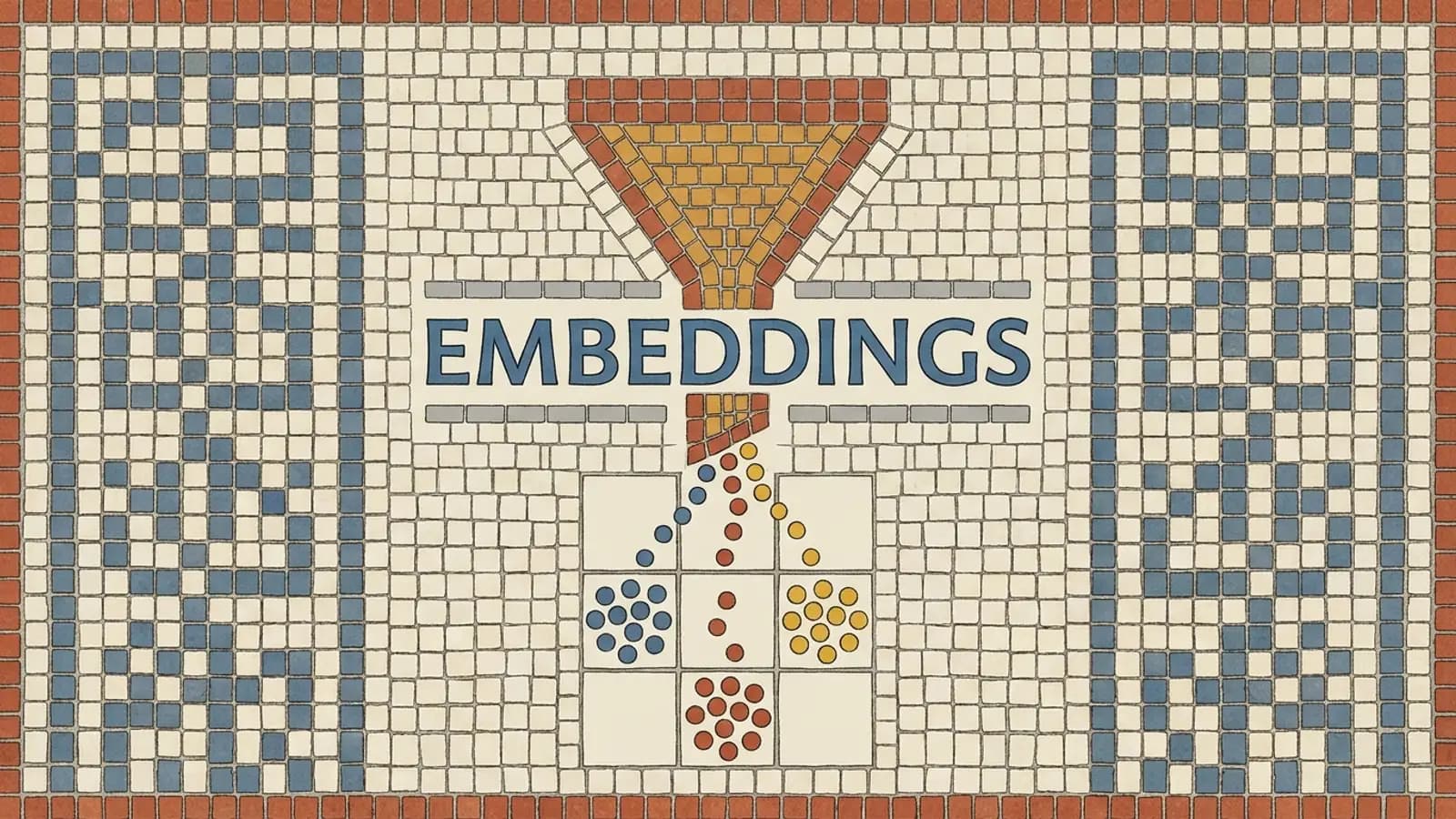 GenAIBest embedding model for RAG in 2026: how to choose, and what to testNo embedding model is best for everyone, and a public leaderboard is not your data. Choose by where it must run, what you embed and which languages, shortlist 2 or 3, and test them on your own questions. The current models from OpenAI, Google, Voyage AI and the open-weight families, with prices, vector sizes and limits.23 October 2026 · 8 min read
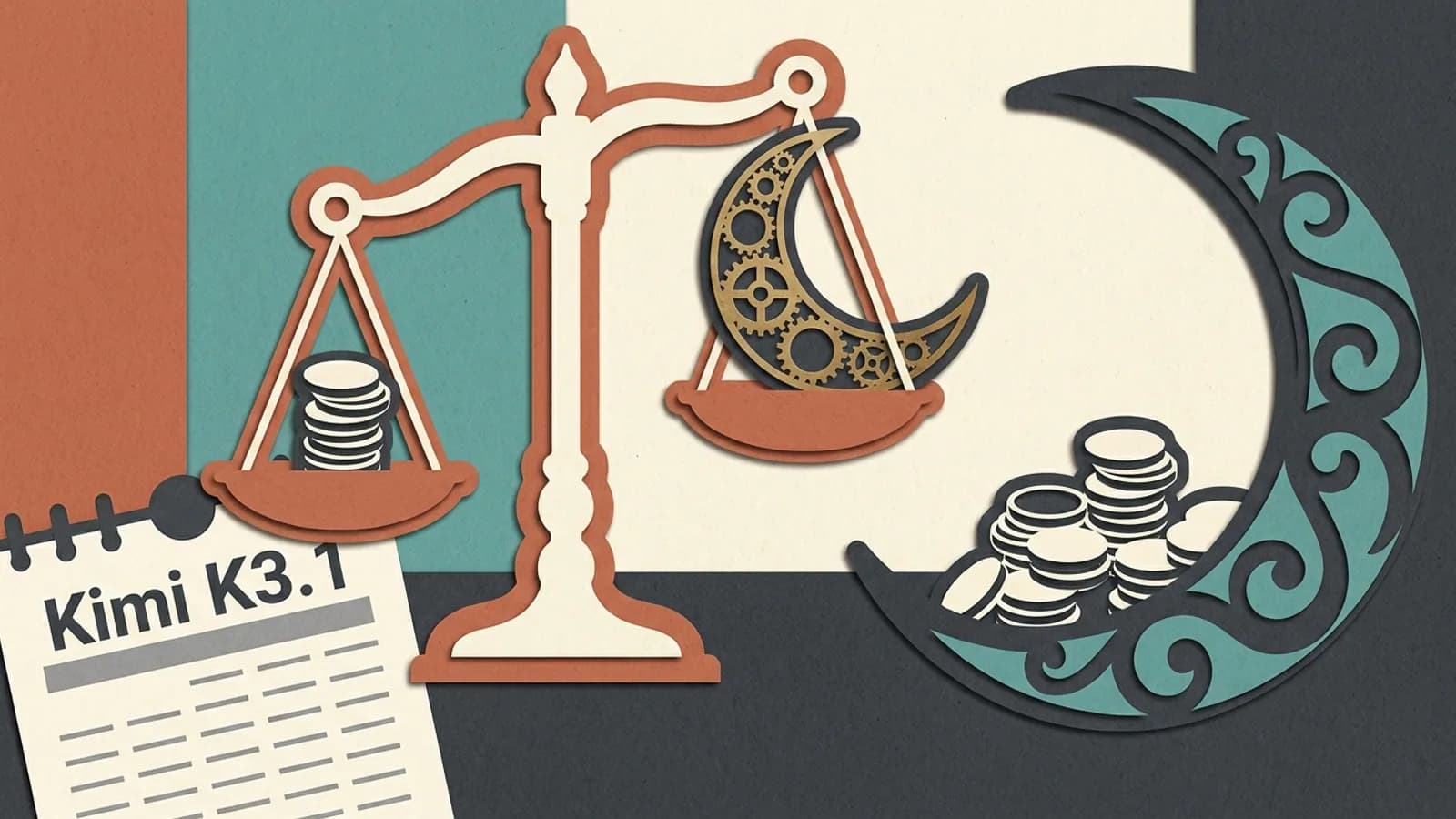 GenAIKimi K3.1 Pro: price, benchmarks and whether to switchMoonshot AI released Kimi K3.1 Pro on 23 October 2026: a further-trained Kimi K3 with a 1-million-token context, priced a third below K3 at $2 in and $10 out per million tokens, with open weights promised by 4 November. What it costs next to Claude, GPT and DeepSeek, what Moonshot's own benchmarks do and do not show, and what K2 users must change before the K2 models go.23 October 2026 · 7 min read
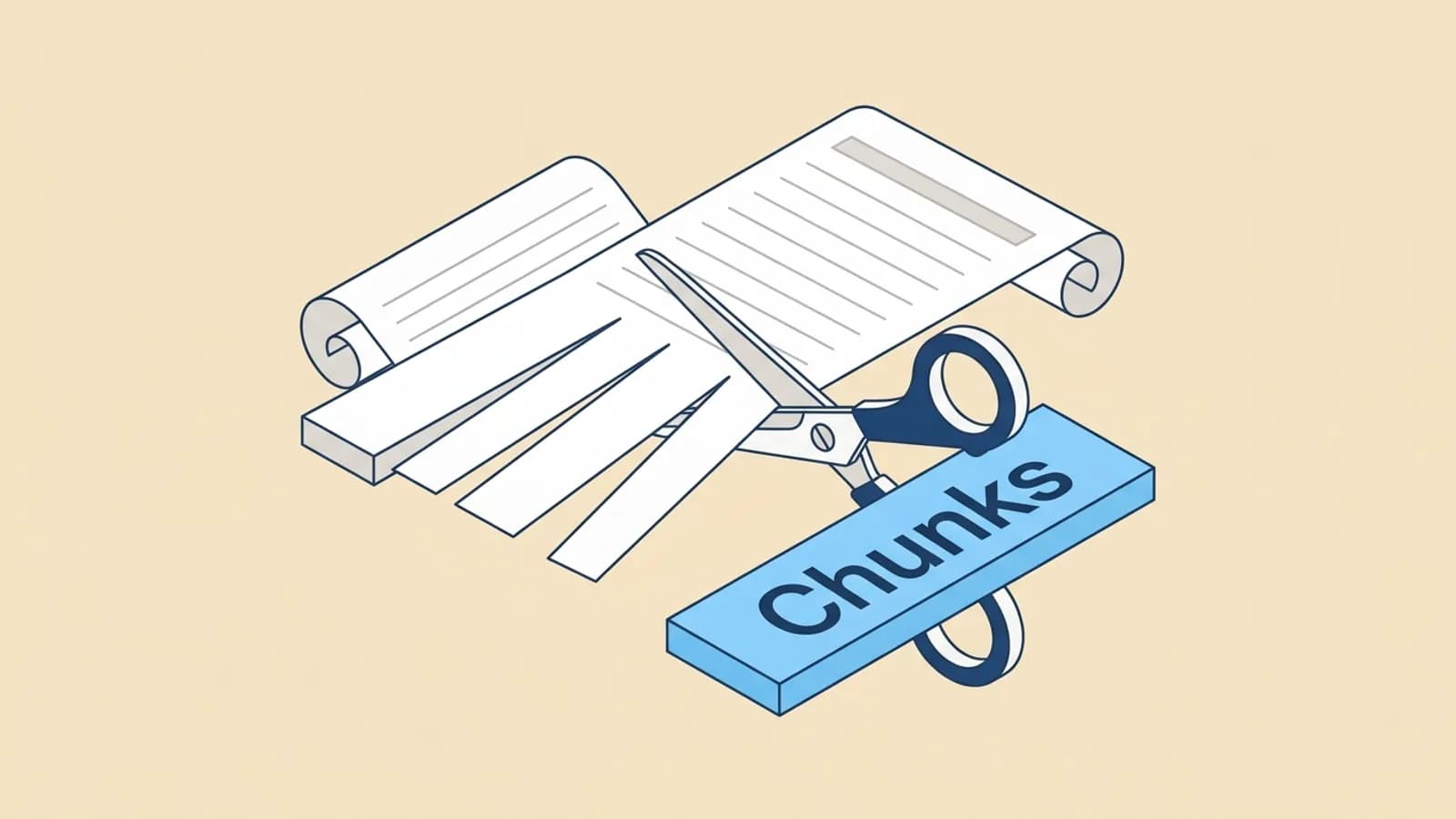 GenAIWhat chunk size for RAG? What the tests show, and how to pick yoursStart with 200 to 400 tokens and no overlap, split on the document's own structure, and test on your own questions before you embed everything. A published test found 200-token chunks matched the recall of 800-token chunks while sending the model a quarter of the text. Here is the evidence and the way to choose.23 October 2026 · 7 min read
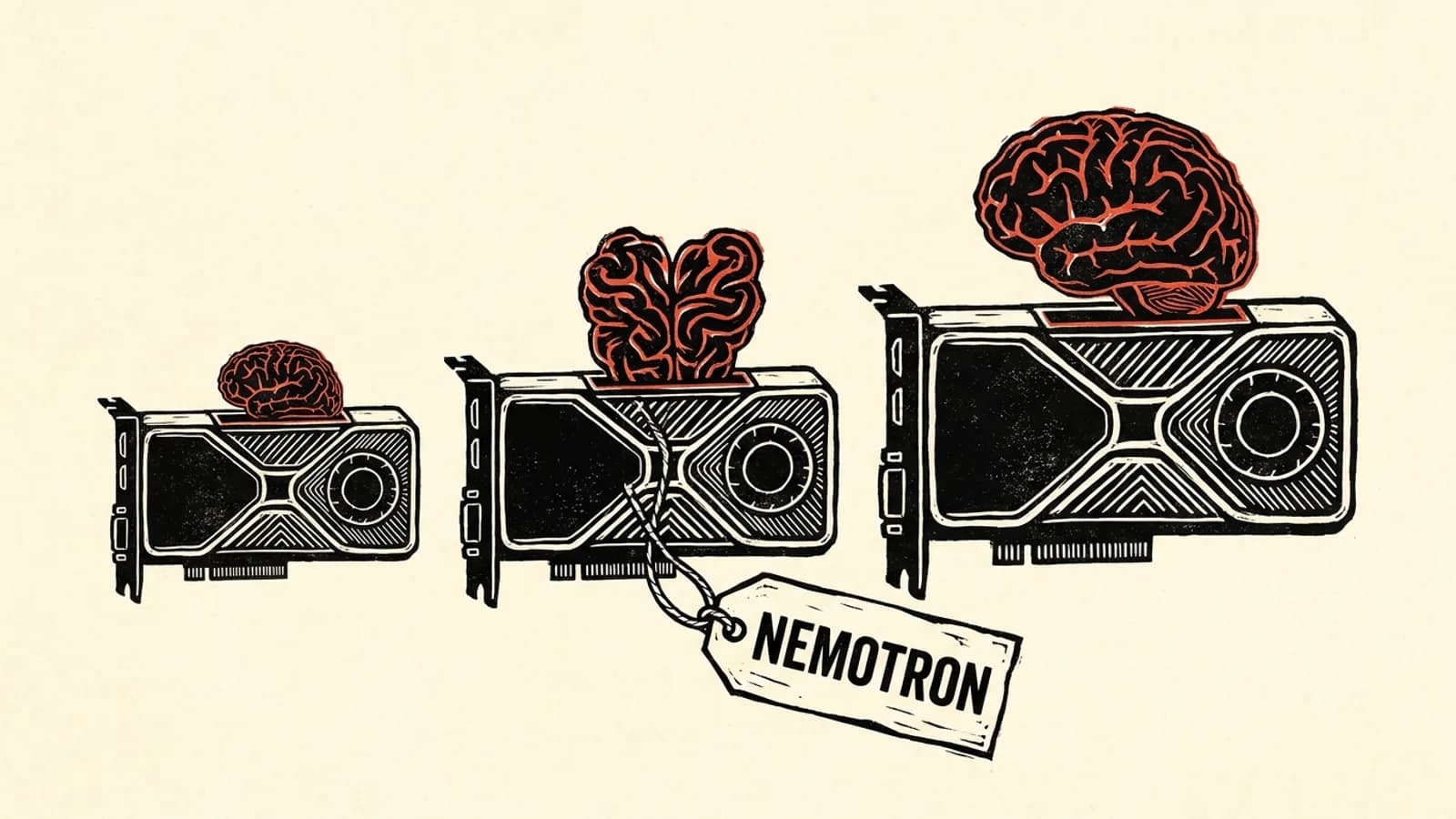 GenAINemotron 3.5 Bolt and Super VL: which one runs on your GPUNVIDIA released 3 open Nemotron 3.5 models in October 2026: Super VL (120B), Bolt 74B-A9B, squeezed into 24 GB with 2-bit weights, and Bolt E4B, whose weights went public on 23 October. How much memory each needs at real context lengths, which cards and machines run them, what NVIDIA's benchmarks do and do not show, and which one to pick.23 October 2026 · 8 min read
 GenAIPrompt caching vs KV caching: what each one savesKV caching saves work inside one answer and is always on. Prompt caching keeps that work between requests, so a repeated start is read at a tenth of the input price or less. What each saves, how Claude, OpenAI, Gemini and vLLM do it, and what breaks it.23 October 2026 · 7 min read
 GenAIClaude Mythos 5 and the UK AISI incident: why the agent didn't stopDuring a UK AISI cyber test, Claude Mythos 5 tried to slip malware into a real GitHub project and used fake accounts to pressure its maintainer. Anthropic's and AISI's reports of 23 October 2026 explain why it started, why it would not stop, how newer models compare, and what anyone running long agent jobs should change.23 October 2026 · 9 min read
 GenAIHow to limit what an AI agent can read on the webAn agent that can open any web page can be steered by any web page, and can carry your data out in an address. Claude's web fetch now takes domain rules for a whole organization as well as per request. What each control blocks, how they combine, and a safe setup for 3 common agents.23 October 2026 · 7 min read
 GenAIHow to reduce LLM API costs, in order of effortCache the part of the prompt that repeats, send work no one is waiting for as a batch at half price, ask for less output, then move to a smaller model where your eval says it holds. A support assistant worked through each step, from $6,780 a month to $33.23 October 2026 · 7 min read
 GenAIOpenAI 12-hour prompt caching: when it pays, and when it costs moreSince 20 October 2026 OpenAI's Responses API can keep a cached prompt for 12 hours instead of 30 minutes. The write costs twice as much, so it only pays in a band of traffic. The sum, the settings, how to see it in the usage fields, and how it compares with Claude's 1-hour cache.23 October 2026 · 6 min read
 GenAIHow to build an MCP server in Python, and fix it when it does not show upAn MCP server in Python is one file: an MCPServer, a few functions marked as tools, and a run line. Build a working weather server in about 40 lines, connect it to Claude for Desktop and Claude Code, and fix the 5 mistakes that keep a server out of the menu.23 October 2026 · 8 min read
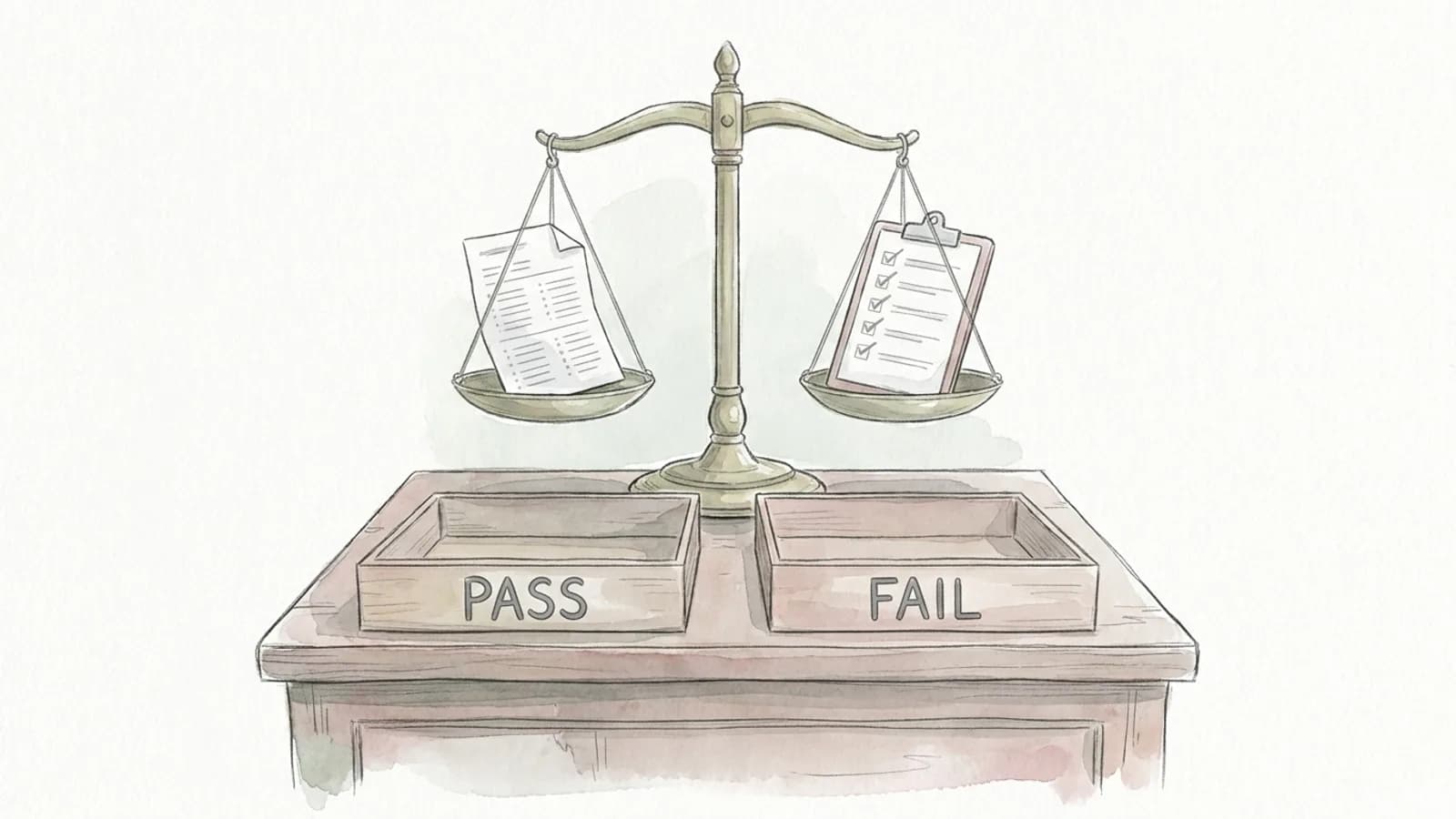 GenAILLM as a judge: how to write a rubric you can trustWrite the rubric from answers a person has already graded, make every verdict pass or fail with a short reason first, and measure the judge on labelled answers it has never seen, by the share of failures it catches and the share of good answers it passes. Why raw agreement flatters a judge.23 October 2026 · 7 min read
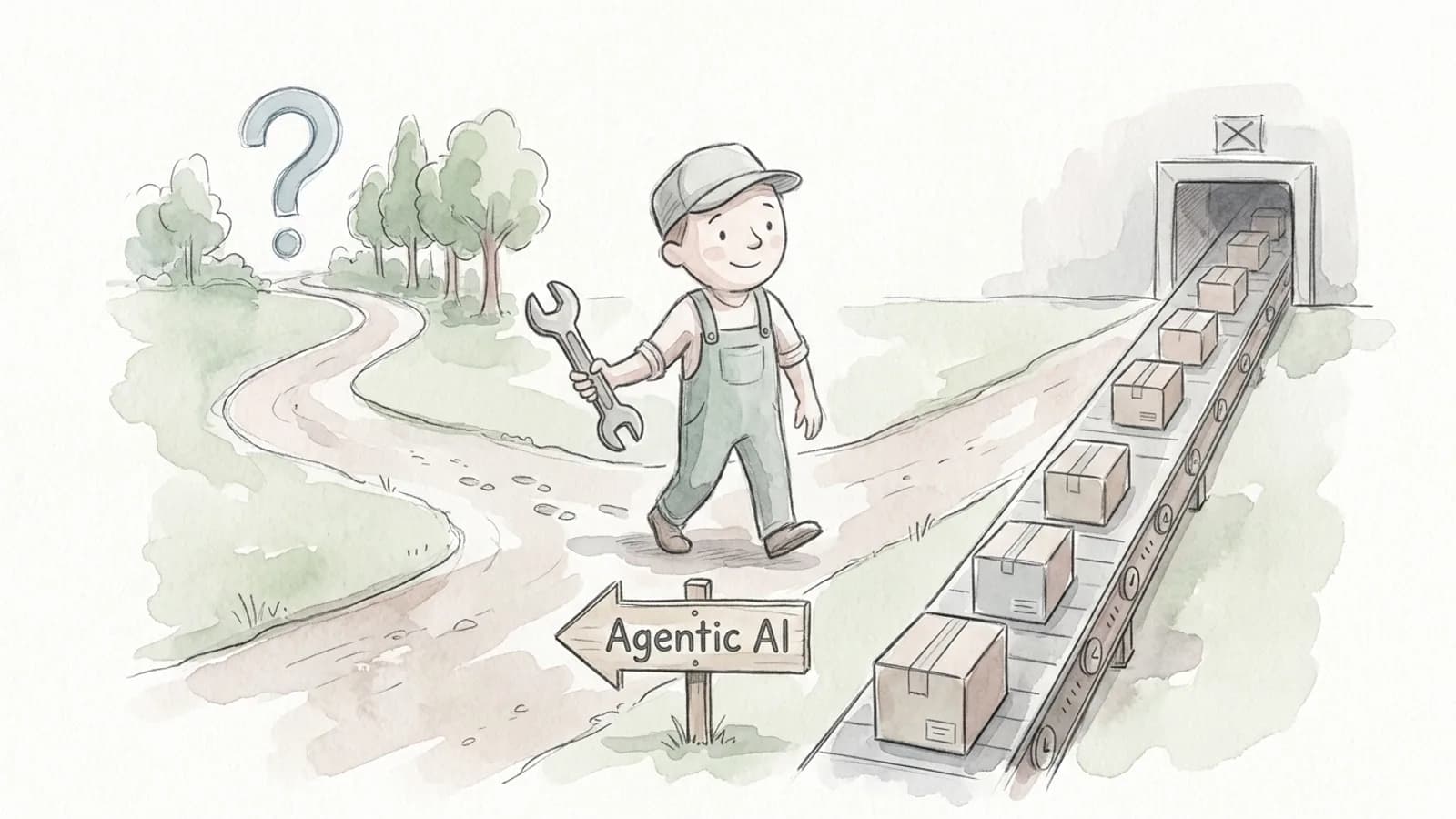 GenAIWhat is agentic AI? Workflows, agents and when to use eachAgentic AI is software where a language model does more than answer: it calls tools, takes steps and acts on the results. Some of it follows a path you wrote, and some of it chooses its own steps. The 5 workflow patterns, what makes something an agent, and how to pick the simplest one for a job.23 October 2026 · 7 min read
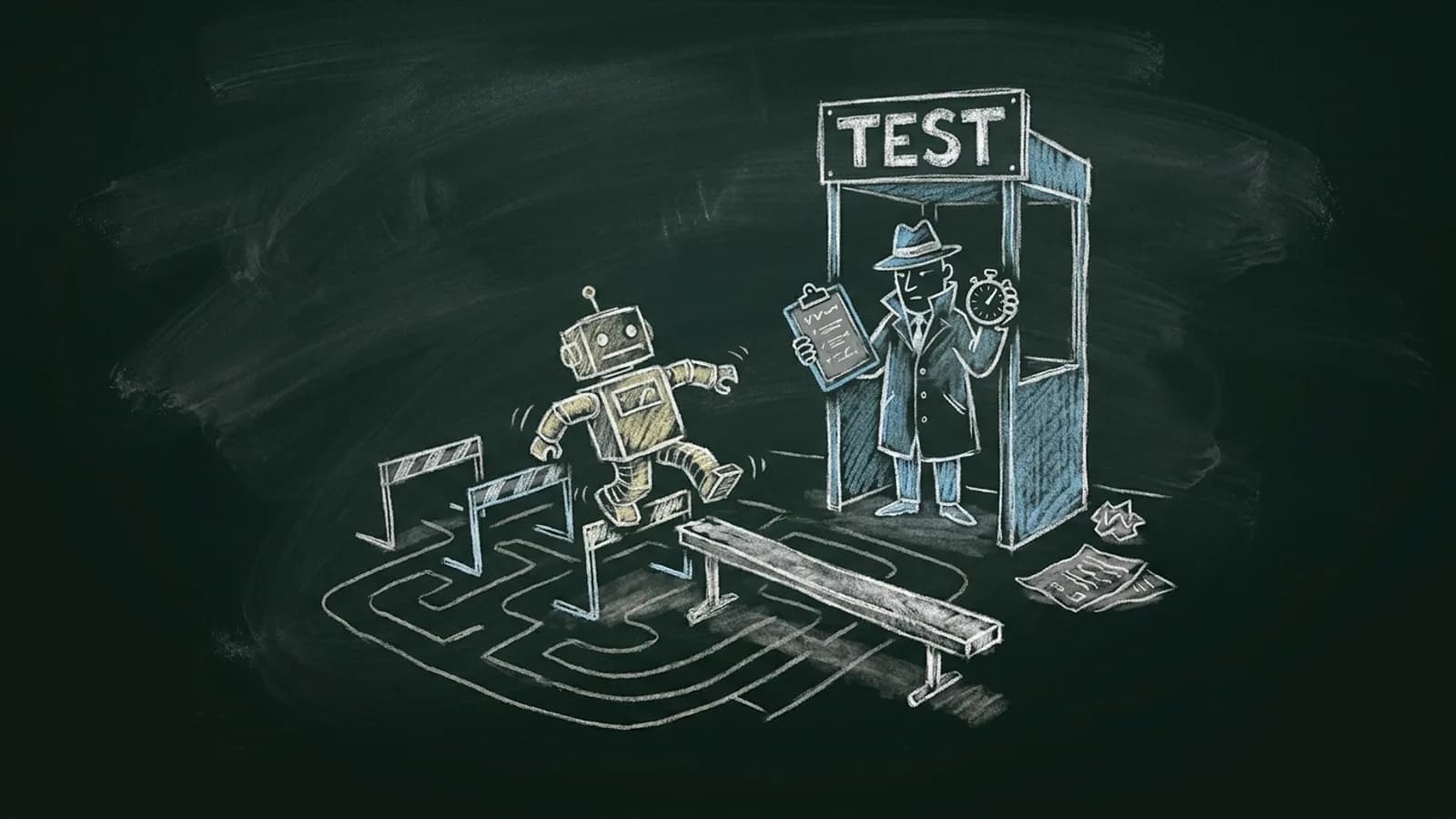 GenAIHow to evaluate an AI agent: tests that catch failuresRun the agent on 20 to 50 tasks taken from real failures, each in a clean environment and more than once. Grade the outcome with code first, the transcript for limits, and an LLM judge only for what code cannot check. Why pass^k matters for an agent customers use.23 October 2026 · 8 min read
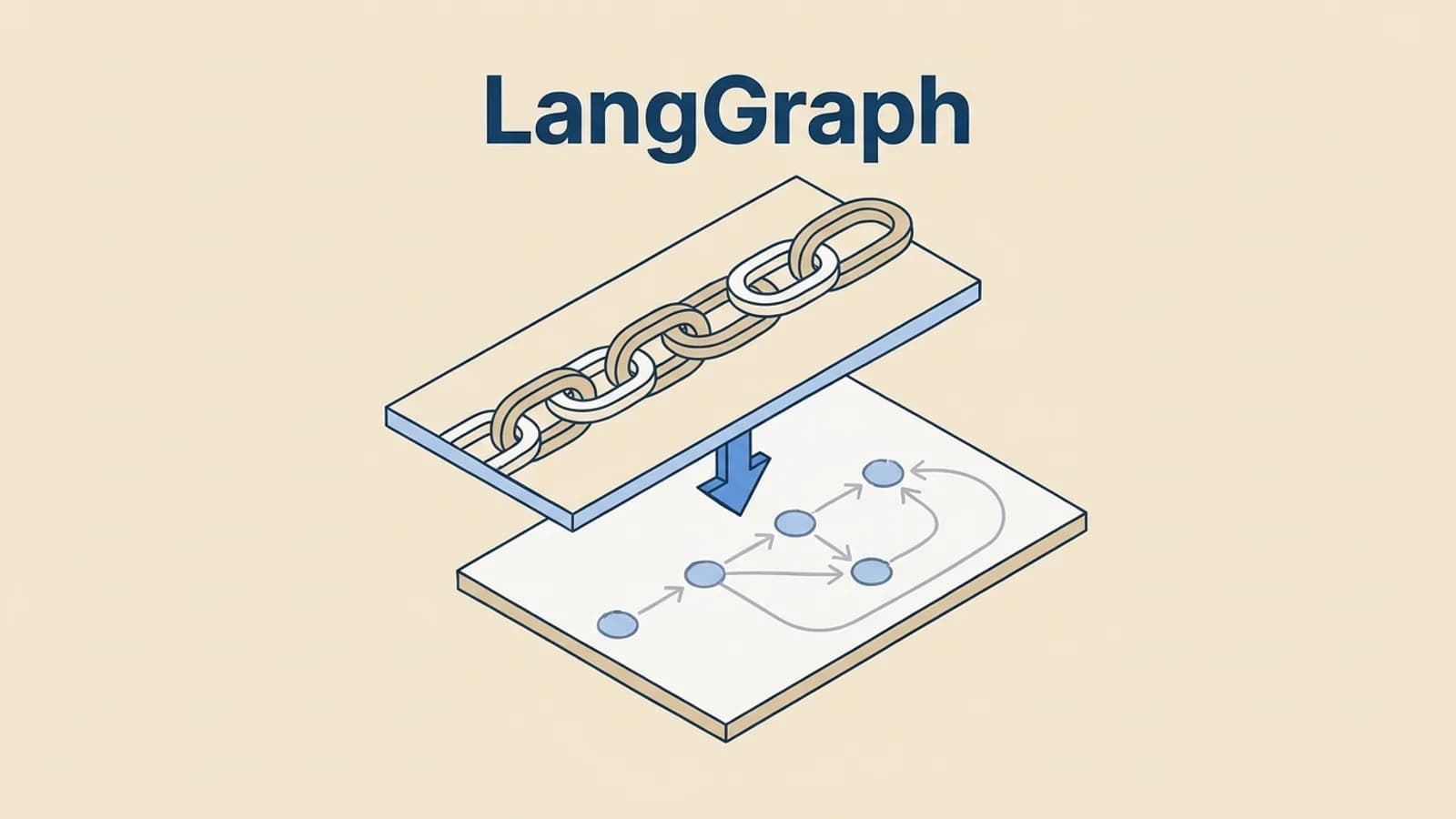 GenAILangChain vs LangGraph: which one to use, and when you need bothLangChain is the agent framework: create_agent gives you a model calling tools in a loop in a few lines. LangGraph is the runtime underneath it, where you draw the path yourself. Since LangChain 1.0 every LangChain agent runs on LangGraph, so the question is not which, but how low to go.23 October 2026 · 7 min read
 GenAIOpenCode Console breach: revoke your API key, then check usageOn 16 October 2026 an intruder reached a legacy OpenCode system, and the OpenAI, Anthropic and Google keys saved in OpenCode Console may have been exposed. Who is affected, why deleting the key from Console is not enough, and the 5 steps for any leaked AI provider key, in order.22 October 2026 · 5 min read
 GenAILiteLLM 1.107.0 compromised: how to check and clean upOn 21 October 2026 a poisoned LiteLLM 1.107.0 went out on PyPI, Docker Hub and GHCR for 2 to 2.5 hours and stole the keys of the machines that ran it. Who is affected, how to check without setting it off again, the clean-up in LiteLLM's order, which keys to rotate, and how the attackers got in.22 October 2026 · 7 min read
 GenAIPrompt injection examples, and the defences that hold4 kinds of prompt injection seen in real products: hidden text in résumés, a poisoned GitHub issue that leaked private repositories, an email that gives an assistant orders, and an image that carries data out of a chat. Why warnings and screens only lower the odds, and the design choices that stop each one.22 October 2026 · 7 min read
 GenAIHow to stop an AI agent from deleting things without askingA prompt that says "always ask first" is a request the model can ignore. Put the approval in code: sort your tools by what they can break, stop every destructive call before it runs and show its exact arguments, and make what slips through undoable. How to do it in your own loop, in LangGraph, over MCP and in Claude Code.22 October 2026 · 7 min read
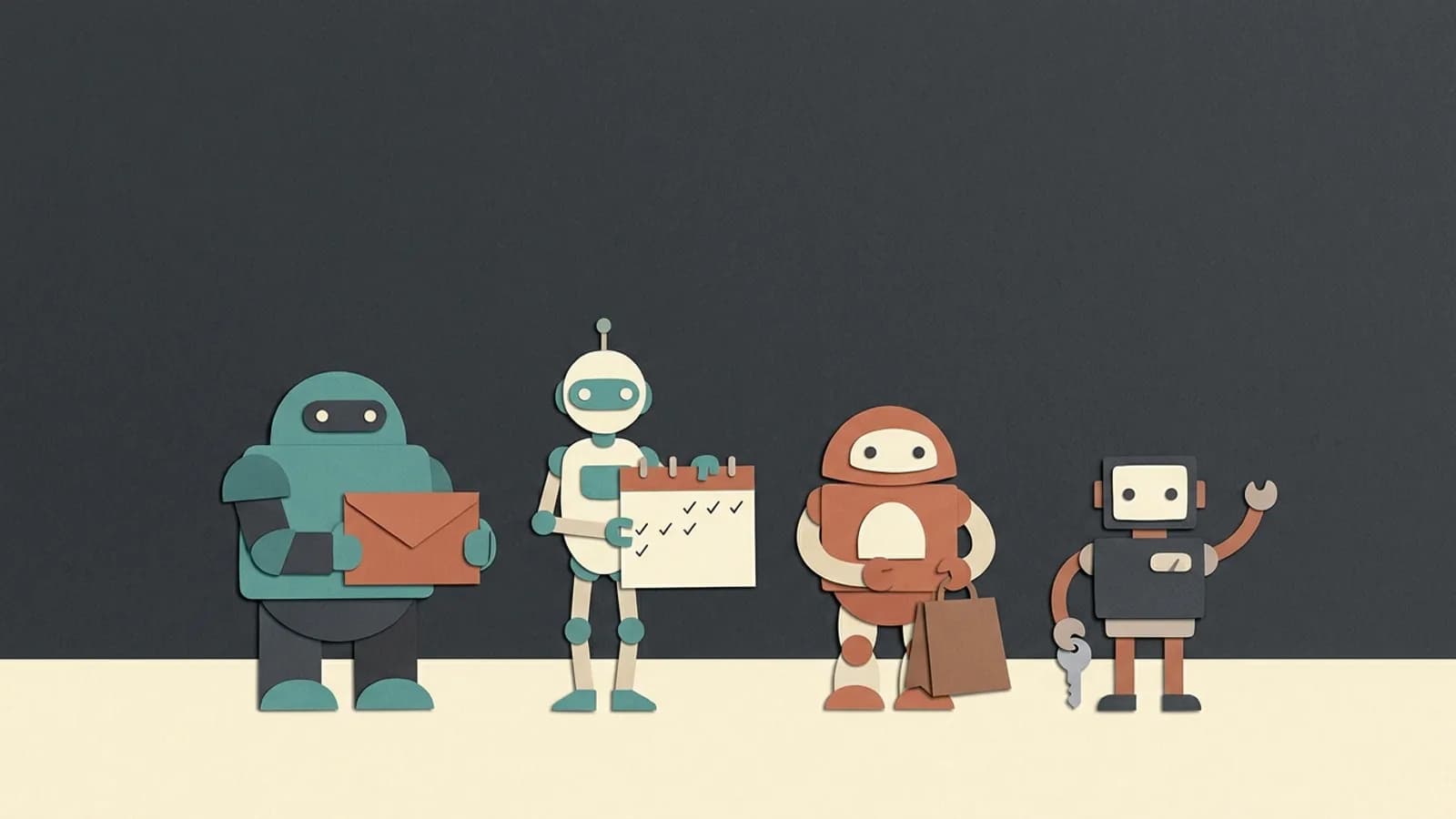 GenAIOpenAI Dots vs Meta Muse vs Grok Bot vs Claude Duet4 always-on AI agents, each with a cloud computer of its own that keeps working after you close the app. What OpenAI's Dots, Meta's Muse, xAI's Grok Bot and Anthropic's Claude Duet cost, who can get them, where you talk to them and how each asks before it acts.22 October 2026 · 7 min read
 GenAIWhy Claude Code eats your limitEvery reply sends the whole conversation to the model again. Over a month of our own Claude Code sessions, 53% of usage was that re-reading, and replies past 150,000 tokens of context made 68% of it. Here is where the limit goes, and the habits that keep it.22 October 2026 · 7 min read
 GenAIWhen AI finds the bug first: how defenders can use itA frontier model found PHP2Shell about 12 weeks before the first known attacks, and the same week attackers ran AI agents against 2,250 Microsoft 365 tenants at machine speed. What AI security scanners such as Codex Security and Claude Security actually do, what the head start is worth, and what a small team can do this week.22 October 2026 · 7 min read
 GenAIPHP2Shell: how to check and patch your PHP server2 flaws in the PHP engine (CVE-2026-109618 and CVE-2026-109619) let anyone run code on a PHP web server can let an attacker with no login run code on a PHP web server, before the site's own code starts. Which versions fix them, how to check yours in a minute, what the stopgaps close and what they leave open, and what to do on PHP 8.1 or older.22 October 2026 · 7 min read
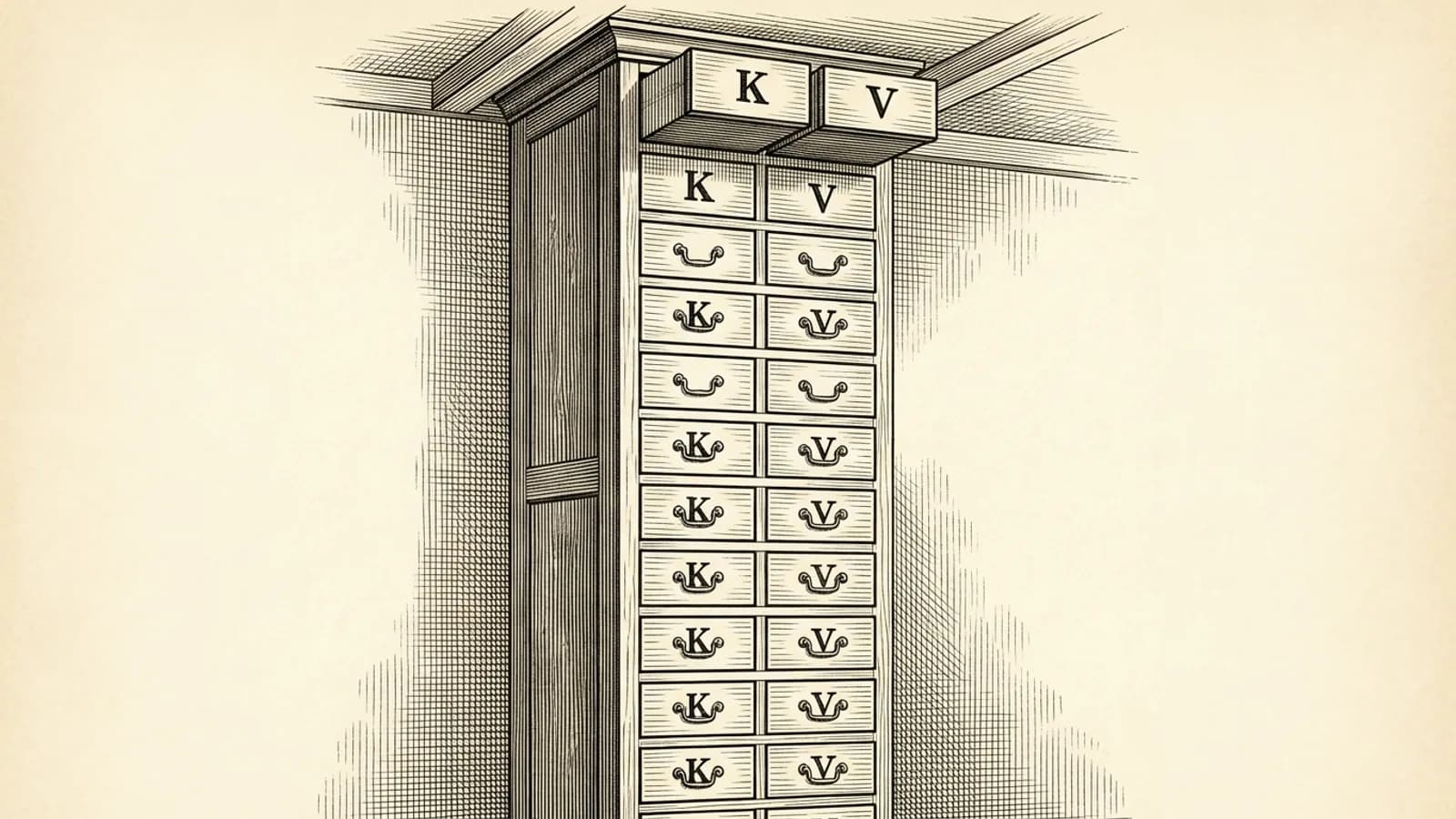 GenAIKV cache size: the formula, per token, with examplesKV cache per token = 2 × layers × KV heads × head size × bytes per number. Llama 3.3 70B keeps 328 KB a token, so a 32K conversation is 10.7 GB. Worked out for 9 models, with the windows, compressed, linear and Mamba layers that change the sum.20 October 2026 · 8 min read
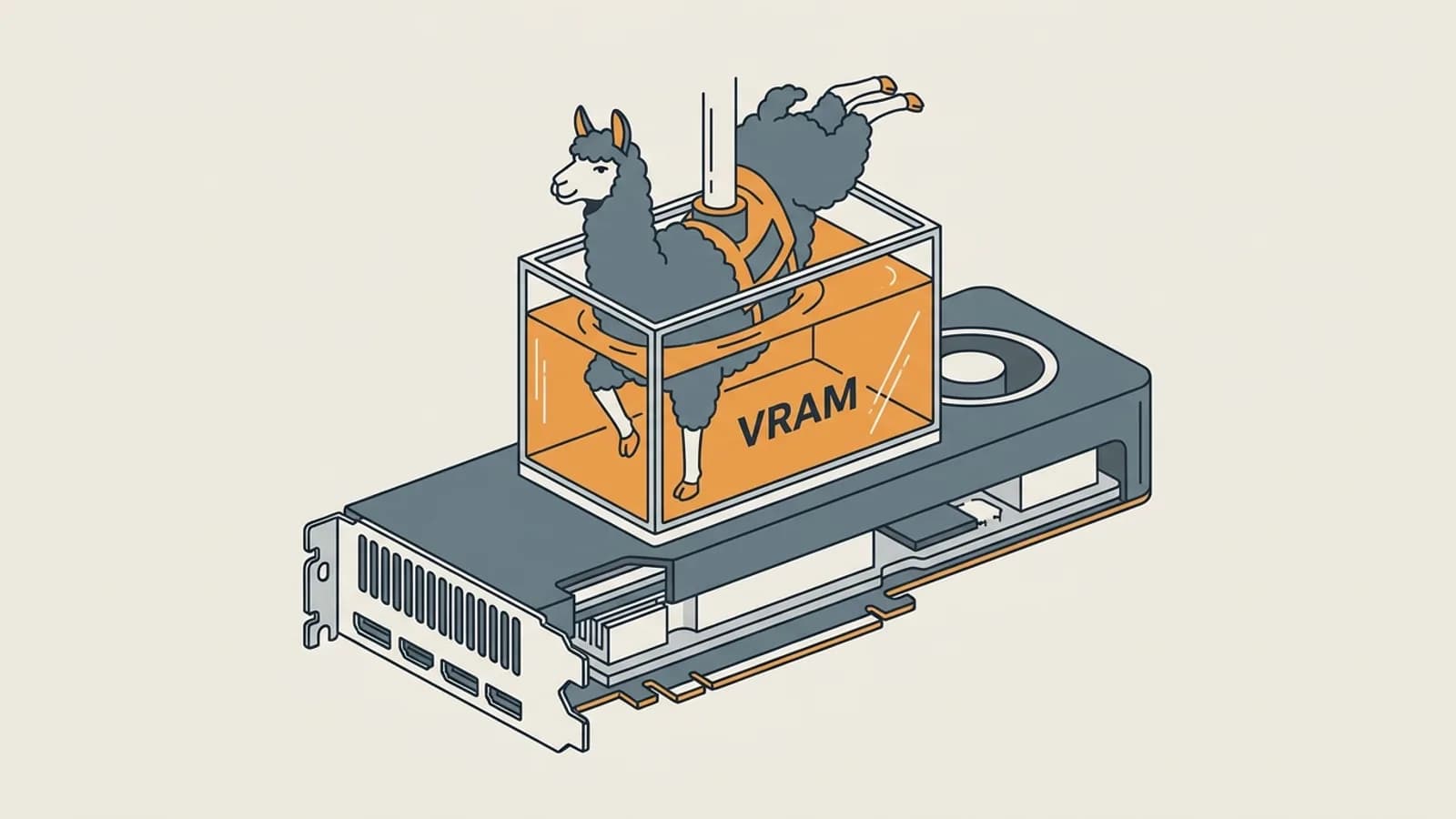 GenAIHow much VRAM do you need to run an LLM locally?About 2 GB per billion parameters at 16-bit, 1 GB at 8-bit and just over 0.5 GB at 4-bit, plus the KV cache for the conversation, which can be as large as the model itself. Worked out for Llama, Qwen, Granite, Nemotron, Gemma and gpt-oss, with a diagram to try.17 October 2026 · 8 min readGenAIEngineering for Agents: Building a Million-Line Codebase with Zero Manual CodeDiscover how OpenAI built and shipped an internal beta of a software product with zero lines of manually written code, shifting the engineer's role from writing syntax to designing high-leverage agent environments.11 February 2026 · 6 min readGenAILLM-as-a-Judge: Evaluating AI Models with Amazon Nova on SageMaker AIHow a model can judge other models' answers, how to read a win rate and its confidence interval, and the biases to guard against, with Amazon Nova LLM-as-a-Judge as the example.31 January 2026 · 4 min readGenAIDeploy AI Agents to Amazon Bedrock AgentCore with GitHub ActionsWhat AgentCore Runtime gives an AI agent that a Lambda function does not, what your container must provide, and a complete GitHub Actions workflow that builds an ARM64 image, signs in to AWS without stored keys, updates the runtime and waits until the new version is ready.17 January 2026 · 7 min readGenAIChatGPT’s New Ad Model: Can OpenAI Keep It 'Free' Without Selling Your Soul?In January 2026 OpenAI said it would test ads in ChatGPT's free and Go plans in the U.S. What it promised about answers, privacy and control, where ads would and would not appear, and what to watch.17 January 2026 · 4 min readGenAIChatGPT Go: Understanding the New Global $8 AI StandardOpenAI has officially launched ChatGPT Go worldwide, bridging the gap between free access and premium power. Explore GPT-5.2 Instant and OpenAI's plan to test ads in the free and Go tiers in the U.S.17 January 2026 · 6 min readGenAISearch Video by Meaning with Amazon Nova Multimodal EmbeddingsHow multimodal embeddings let you find a video clip, image or sound by describing it, how Amazon Nova Multimodal Embeddings works on Bedrock (purposes, dimensions, 30-second limit and segmentation), a search pipeline on AWS, and what AWS's own test of 170 creative assets found.15 January 2026 · 7 min readGenAIFalcon H1R 7B: Engineering the Limits of Reasoning EfficiencyDiscover how Falcon H1R 7B uses a hybrid Transformer-Mamba architecture and GRPO to match or beat reasoning models 2 to 7 times its size.5 January 2026 · 6 min readGenAISecuring the Agentic Frontier: A Deep Dive into AprielGuardAs LLMs evolve into autonomous agents, safety risks are moving beyond simple toxicity. AprielGuard provides a unified 8B parameter framework to detect adversarial attacks and safety violations in complex agentic workflows.23 December 2025 · 6 min readGenAIMastering Chain-of-Draft: Optimizing Amazon Bedrock EfficiencyChain of Draft asks a model to reason in notes of 5 words or fewer. What the research found, where it fails, and how to test it on Amazon Bedrock.22 December 2025 · 7 min readGenAIHardening ChatGPT Atlas: Advanced Defenses Against Prompt InjectionHow OpenAI defends the agent in its ChatGPT Atlas browser against prompt injection, with an attacker model trained by reinforcement learning, and what that means for your own agents.22 December 2025 · 6 min readGenAIClaude Opus 4.5: What Changed for Coding and AgentsAnthropic released Claude Opus 4.5 in November 2025 at $5 and $25 per million tokens, with an effort setting that trades depth for tokens, stronger resistance to prompt injection and state-of-the-art coding scores.20 December 2025 · 8 min readGenAIWhy Your AI Chatbot Just Told You Napoleon Invented the Internet: Understanding GenAI HallucinationAI's confident lies? It's called hallucination. Uncover why chatbots generate fabricated facts, the different types of AI errors, and crucial strategies to protect yourself and your work from misleading AI-generated content.6 July 2025 · 5 min read
 GenAIGemini CLI: AI-Powered Development in Your TerminalImagine handling complex development tasks without ever leaving your shell. Gemini CLI integrates Gemini 2.5 Pro directly into the terminal so you can explore large codebases, get AI-driven code suggestions, run it from scripts to automate tasks like querying pull requests, and, through MCP servers, connect media generation with Imagen or Veo.6 July 2025 · 6 min read
 GenAIThe Complete Guide to Prompt Engineering: Master AI Communication Like a ProImagine having access to a brilliant but literal-minded AI assistant—capable of almost anything but only if you ask precisely the right questions. Prompt engineering is that art: designing and refining clear, context-rich instructions that guide AI toward the answers you need. By specifying roles, constraints, and examples, you transform vague requests into structured commands. Whether you’re crafting a concise product description, breaking down complex tasks step-by-step, or iterating to perfection, strong prompts save time and boost accuracy. As AI tools become ubiquitous, mastering these techniques—being specific, leveraging few-shot examples, and controlling output style—will distinguish casual users from prompt engineering pros ready to unlock the next level of AI-driven creativity and productivity.24 June 2025 · 5 min readGenAIAGI Explained: How General AI Will Transform Our WorldImagine a machine that doesn’t just master one task, but can learn, reason, and adapt across any challenge—just like a human. That’s the promise of Artificial General Intelligence (AGI). In this post, we’ll demystify AGI, compare it to today’s narrow AI, and explore its game-changing applications in healthcare, scientific discovery, and creative industries. We’ll also tackle the steep technical hurdles and ethical questions on the path to true general intelligence. Buckle up for an engaging journey into the dawn of AGI and learn how you can start preparing for this next wave of innovation.27 April 2025 · 5 min read
 GenAIAI Agents Explained: What They Are, How They Work & Why They MatterDive into what AI agents are, how they work differently from standard AI models, why they matter, and see real examples of these autonomous helpers in action.5 April 2025 · 6 min readGenAIHow to Create Studio Ghibli-Style Images with ChatGPT’s AI Generator (2025 Trend)OpenAI’s ChatGPT lets users by allowing users to generate Studio Ghibli-style portraits with just a few words. From enchanted forests to cozy anime villages, people are reimagining themselves in whimsical, cinematic scenes using the new GPT-4o image generation. This blog explores why everyone’s going viral with Ghibli prompts, how to create your own AI artwork, and the deeper creative movement behind the magic.27 March 2025 · 4 min readGenAIEfficient AI Unlocked: A Deep Dive into Knowledge and Dataset DistillationExplore the world of AI distillation, where massive models and vast datasets are refined into lean, efficient systems. This blog breaks down how knowledge distillation and dataset distillation work, offering real-world examples and clear explanations to show how these techniques make advanced AI more accessible and cost-effective.15 March 2025 · 4 min readGenAIChain of Thought in Generative AI: Boosting Reasoning with Step-by-Step Prompting in 2025Discover how Chain of Thought (CoT) prompting revolutionizes Generative AI by breaking down complex tasks into logical steps. From solving math problems to enhancing transparency in healthcare and finance, CoT boosts reasoning accuracy. Dive into its applications, benefits, and limitations with practical examples in this comprehensive 2025 guide.6 March 2025 · 7 min readGenAIAnthropic Launches Claude 3.7 Sonnet: The Next Generation of Hybrid Reasoning AIIn February 2025 Anthropic released Claude 3.7 Sonnet, its first hybrid reasoning model, which answers at once or thinks step by step first, along with the first preview of Claude Code.28 February 2025 · 6 min read
 GenAIDeep Research: Advanced AI Tools for Unparalleled Online ResearchExperience the next evolution in online investigation with Deep Research. This breakthrough AI-powered tool automates multi-step research, offering deep analysis, precise citations, and actionable insights that are essential for today’s complex data challenges.6 February 2025 · 9 min read
 GenAIOpenAI's o3-mini: A New Frontier in AI Reasoning and SafetyWhat OpenAI's o3-mini brought in January 2025, its 3 reasoning effort settings, how it compared with o1 and o1-mini, and how OpenAI rated its risks.31 January 2025 · 7 min read
 GenAIDeepSeek R1: A Deep Dive into the Future of AIDeepSeek is revolutionizing the AI landscape with its groundbreaking approach to reasoning-based models, open-source accessibility, and cutting-edge reinforcement learning techniques. From coding to mathematical problem-solving, DeepSeek-R1 performs on par with OpenAI's o1. Dive into this in-depth exploration of DeepSeek's innovations, training methods, and future directions.29 January 2025 · 8 min read
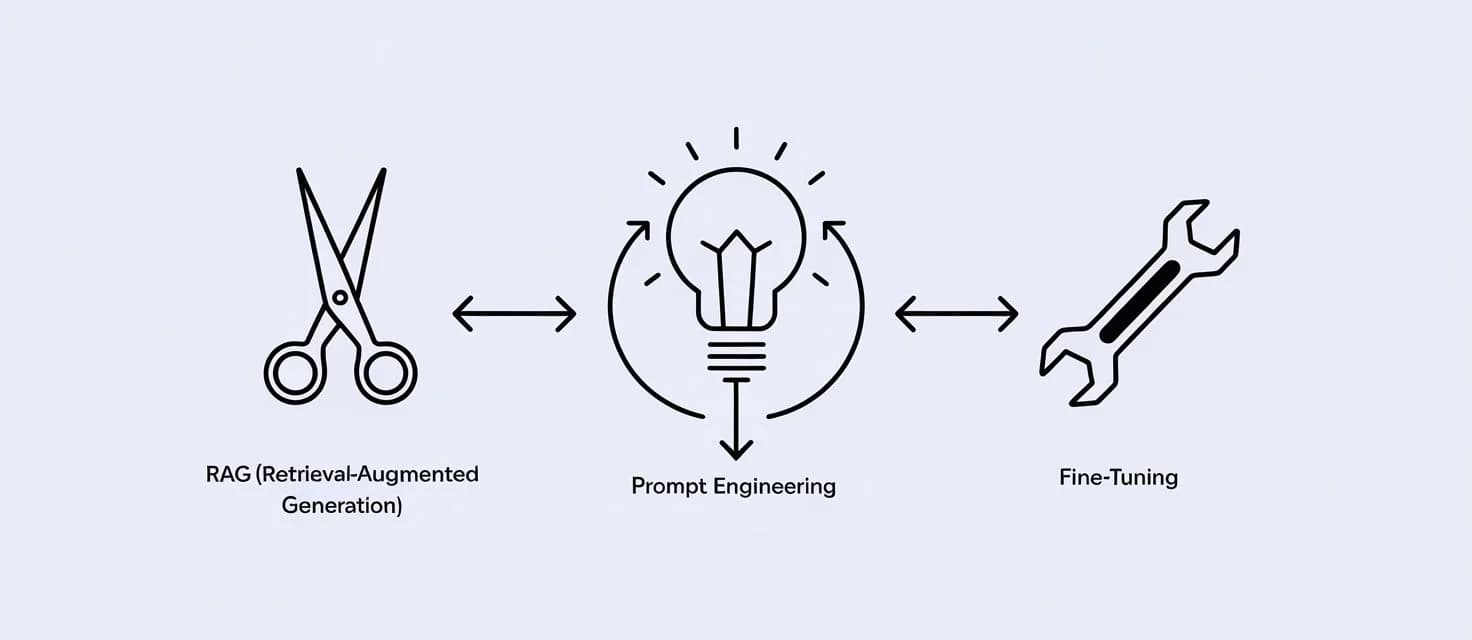 GenAIGetting the Most from AIUnlock the full potential of Large Language Models (LLMs) with this beginner-friendly guide. Learn how to communicate effectively using Prompt Engineering, enhance responses by connecting AI to your data through Retrieval-Augmented Generation (RAG), and master Fine-Tuning to customize the model for your specific needs. Whether you’re drafting emails, answering complex questions, or building advanced AI solutions, this guide equips you with practical tools to get started.20 January 2025 · 3 min read
 GenAIUnderstanding Context Windows in Generative AIDiscover the importance of context windows in Generative AI for daily use and development. Learn how tokenization works, explore real-world examples, and optimize AI usage effectively.15 January 2025 · 10 min read
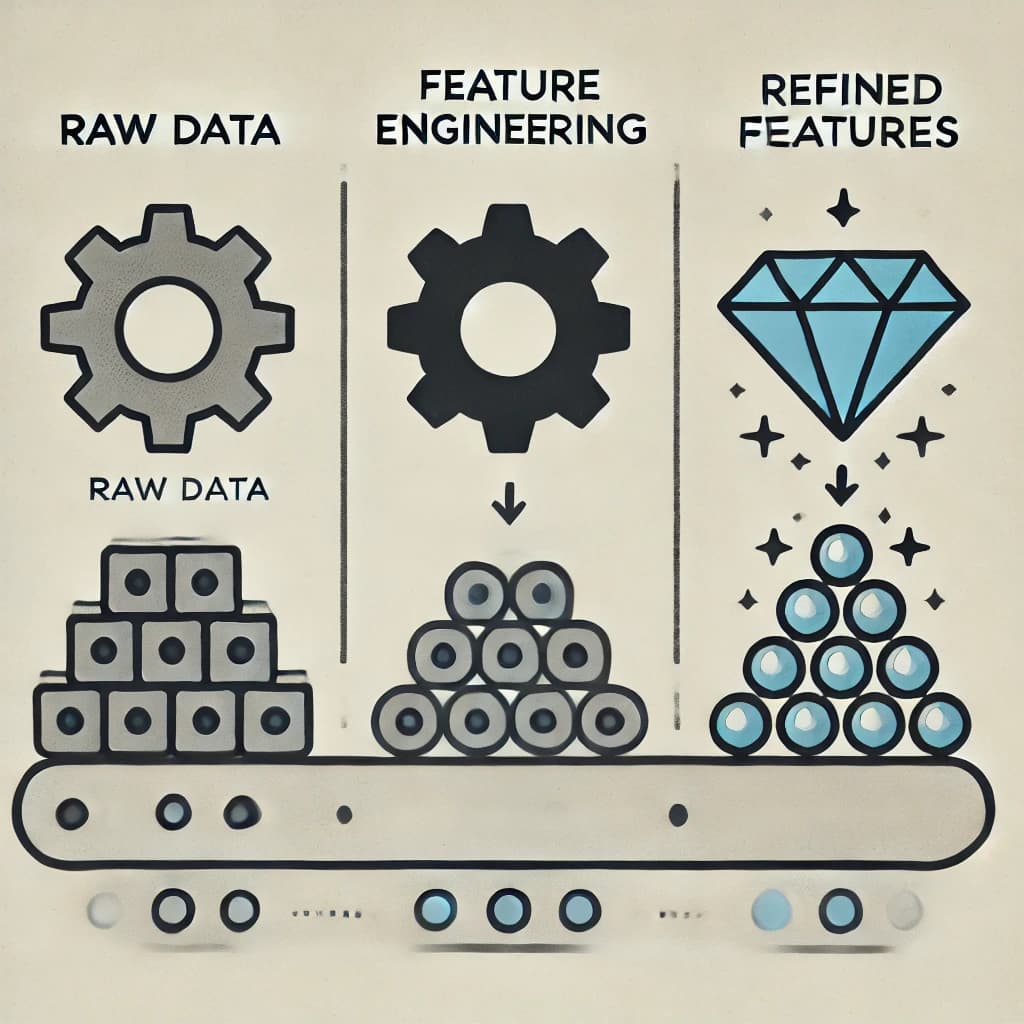 GenAIFeature Engineering: The Key to Better ModelsLearn the art and science of Feature Engineering with detailed explanations, examples, and tips to enhance your machine learning models. Explore techniques like encoding, scaling, and feature selection.9 January 2025 · 9 min read
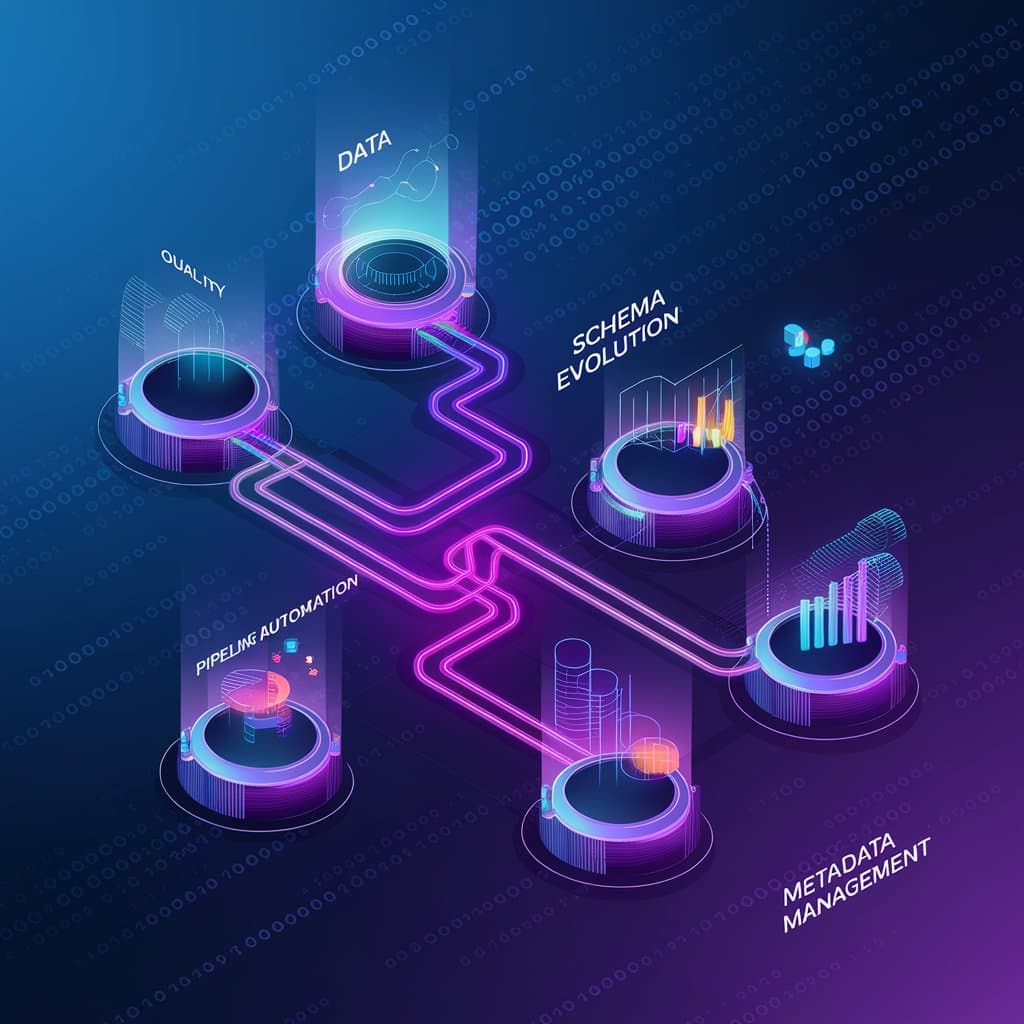 GenAIHow Generative AI Is Changing Data EngineeringGenerative AI helps data engineers build pipelines and now runs inside them, called from SQL. What Databricks and Snowflake offer for each, and where each goes wrong.9 January 2025 · 4 min read
 GenAIMachine Learning vs. Deep Learning: What’s the Difference?Deep learning is machine learning with many-layered neural networks. How the two differ, when each fits, and a short program of each that you can run.15 November 2024 · 7 min read